The Role of Exterior Painting in Shaping First Impressions of Commercial Properties

Amber Hollier • January 22, 2024

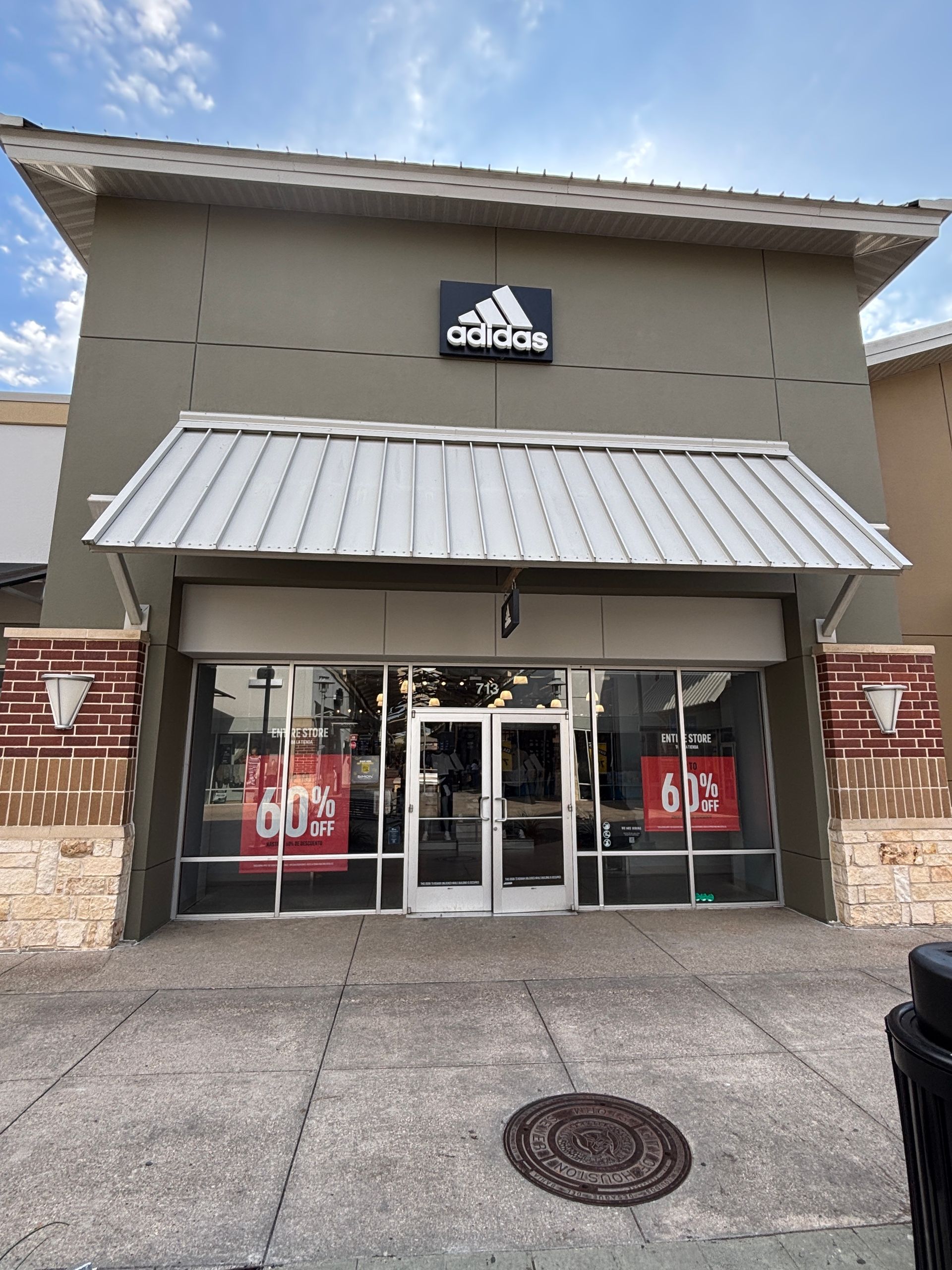
First impressions are not always something we consciously recognize, but they happen to us all. How a property is maintained (or not maintained) will send signals to the minds of onlookers. It will determine whether or not they feel comfortable on the grounds. Let's take a moment to discuss how the professional exterior painting of a commercial building can influence the first impressions of potential tenants.

Great Expectations

When we see a building for the first time (whether it's a home, apartment complex, hotel, or other commercial building), the condition of the exterior gives us some clues about the owners or managers of the property. If the place is run down, weeds are overgrown, or the paint is chipping and wearing off the structures, then we know that there is either not enough finances to cover maintenance, or else there is a lack of concern about keeping up with repairs.

The expectations of prospective clients and tenants are prone to plummet when they see poor conditions. This is because it suggests to them that any future renter-related needs they have will be met with the same indifference. It can also give the impression that the landlords simply don't have the ability to remedy their problems.

Property managers may find themselves attracting tenants who adopt a careless attitude as well, letting damage and disrepair go unreported. If they see that standards are low, they themselves may reflect that standard.

Consequently, a clean and attractive paint job says a lot about the manager of a property, and it sends a message of expectation to those who choose to reside or rent commercial space there.

Building Trust

As mentioned above, tenants want to know that their landlords are reliable in taking care of the property. In order to achieve this type of relationship, a basic level of trust is required. Experts claim that any successful business dealings rely on trust between the two parties. The first impression of an attractively-painted building will imprint on the minds of tenants that you are trustworthy in your management.

A good paint job goes beyond cosmetics; it also protects the building, sealing out moisture and shielding the structure. It declares that there is a conscientious individual in charge of the property. For example, someone who can be trusted with responsibility and integrity that tenants will be able to trust in other areas as well.

Be True to a Good First Impression

Putting forth a good first impression is a great asset, however, there needs to be follow through in order to maintain a good experience! For the sake of your time, finances, and reputation, don't chintzy out on a paint job. If you're willing to invest the effort and money into repainting your building, have it done right!

Get professional advice about the latest and greatest paints to find products with durability and protective features. You don't need to feel overwhelmed, as there are experts to help you along the way. What's important is being able to make decisions that benefit your property and the future success of your business.

Time to Take Action!

If any of your commercial buildings are in need of professional exterior painting, give us a call. We've been providing our clients with skilled work since 1985, and we're still going strong. We pride ourselves on our ability to work around the schedules of our clients. We do this even if it means working on evenings or weekends. We're here to get the job done whenever it works for you!

Although we're based in Texas, our team of fully-insured experts are taking on exterior painting projects from one end of the United States to the other, accumulating a record of successful jobs and satisfied clients.

You could be the next one!
November 13, 2026
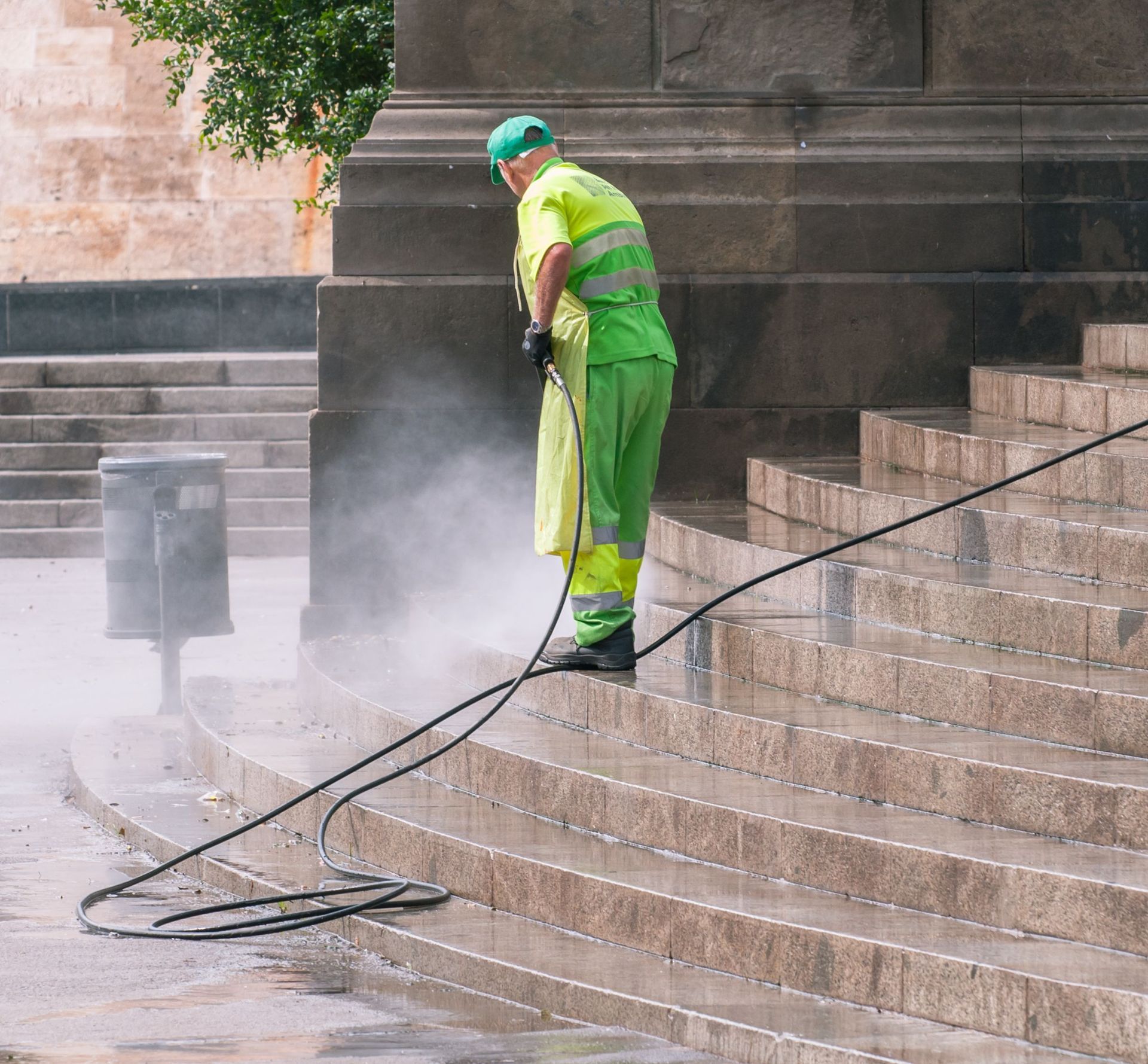
More on commercial pressure washing services in Houston for warehouses and industrial facilities, including exterior cleaning, concrete surfaces, and maintenance.
By Amber Hollier • October 30, 2026
Commercial and industrial painting share certain application principles, but industrial coating projects involve additional technical requirements related to substrate conditions, environmental exposure, and operational demands. Handling industrial coating projects in-house may seem like a practical way to reduce maintenance costs. However, protective coatings must meet specific performance criteria that require specialized knowledge of surface preparation, application techniques, and inspection procedures. Without that expertise, the risk of premature coating failure and additional expenses can outweigh the attempted savings. Surface Preparation and Coating Adhesion Industrial coating systems depend heavily on substrate preparation. Steel, concrete, and previously coated surfaces require different preparation methods to achieve proper adhesion. Abrasive blasting, mechanical cleaning, and contaminant removal are frequently specified according to AMPP standards. Surface profile, soluble salt contamination, and existing coating conditions must also be evaluated before application. Inadequate preparation can contribute to adhesion failure, blistering, corrosion, and premature coating deterioration. Environmental Conditions and Application Requirements Temperature, humidity, and dew point influence coating application and curing. For facilities requiring industrial painting in Houston, the region's high humidity presents additional considerations, particularly when condensation develops on steel surfaces. Industrial coating specifications establish acceptable environmental conditions, mixing requirements, application thicknesses, and curing intervals. Applicators must monitor these variables throughout the project rather than relying solely on visual assessments. Wet-film and dry-film thickness measurements also help verify that protective coatings meet specified requirements. Specialized Training and Workforce Qualifications Industrial coating application requires familiarity with technical specifications, specialized equipment, safety procedures, and quality-control practices. According to the Associated General Contractors of America's 2026 Workforce Survey, 50% of responding construction firms reported that available candidates lacked the necessary skills, certifications, or licenses for industry positions. Although this statistic represents the broader construction industry, it highlights the importance of workforce qualifications in technically demanding trades. Industrial painting crews may also encounter confined spaces, elevated structures, hazardous materials, and active manufacturing environments requiring additional training and coordination. The Financial Impact of Proper Coating Application Protective coatings contribute to corrosion management by limiting exposure to moisture, chemicals, and other environmental conditions that accelerate substrate deterioration. NACE International's IMPACT study estimated that 15% to 35% of global corrosion costs could be avoided through available corrosion-control practices. Coating selection, surface preparation, and application quality are important considerations within a comprehensive corrosion management program. Deficiencies in these areas can lead to premature maintenance requirements, additional repairs, and operational disruptions. Choosing an Experienced Industrial Painting Contractor Facility managers considering commercial painting in Houston should distinguish between routine repainting and projects requiring specialized protective coating systems. Substrate conditions, chemical exposure, operating temperatures, and inspection requirements can significantly influence contractor qualifications. Painting Professionals provides commercial and industrial painting services throughout Houston, Dallas, and surrounding Texas markets. Our team works with facility owners and managers to address coating requirements, surface preparation, and application needs across commercial and industrial environments. Contact Painting Professionals to discuss your facility's upcoming painting or protective coating project.