Epoxy Floor Coatings in Industrial Settings: Meeting High Demands for Durability

Amber Hollier • January 11, 2024

Industrial facilities need sturdy and durable flooring. Machinery, vehicles, and manufacturing processes rely on a floor that is highly resistant to abrasions and easy to maintain. While concrete is very tough, it is also porous and deteriorates over time. This is why epoxy floor coating has become a popular choice for meeting the unique demands of an industrial environment. Epoxy is not only strong, but also sealed, long-lasting, and requires very little care for years of reliable flooring protection.

Below we discuss the benefits of epoxy flooring for industrial settings and how to customize the floor design to your business needs.

Facing the Challenges of Industrial Flooring

In an industrial facility, the floor must be able to withstand heavy machinery, chemical spills, high foot traffic, and provide a smooth, reliable surface at all times. This poses unique challenges when selecting the best flooring. Most industrial facilities start with a concrete floor that shows signs of wear over time. However, epoxy coating is an ideal solution, as it offers durability, strength, and longevity once it is properly installed. Epoxy can meet all of the challenges of an industrial environment.

What Makes Epoxy Ideal for Industrial Applications

  • Chemical Resistant
  • Abrasion Resistant
  • Easy to Clean
  • Improved Safety

Once a floor is sealed in epoxy coating, it becomes resistant to some of the greatest risks of an industrial facility. Epoxy coating is resistant to chemicals and abrasions. It will not absorb chemicals or oils and on top of this, it is easy to clean. All you need is a cleansing solution suitable to the environmental hazards and a mop. Easy maintenance is essential to efficiently and safely running your industrial business.

The Process of Installing an Industrial Epoxy Floor

  • Preparation
  • Primer
  • Epoxy Layers
  • Curing

When your epoxy floor is installed, your professional team will begin by prepping the floor, cleaning and stripping away anything that might be in the way. They will then apply a primer and let it set before then carefully building layers of epoxy coating to the right thickness. When it is done, a final layer is applied and the floor will cure for several days.

Customizing Epoxy Coating Floor to Your Industrial Needs

  • Anti-Slip
  • Texture
  • Color

Epoxy coating is not a one-floor-fits-all solution. The coating can be customized to meet specific industrial needs. For example, you can request anti-slip additives that will give the floor a naturally better grip for safety. You can have the surface textured to provide a tactile guide or better tracks for vehicles and equipment.

Additionally, you can select a color that will be mixed directly into the epoxy. Vivid colors can emphasize walkways and enhance visual safety in a facility environment. Customizations are often used to enhance the safety and functionality of epoxy coated floors in industrial settings.

Epoxy Floor Lifespan and Maintenance

  • Simple Sweeping and Mopping
  • 20+ Year Lifespan

Epoxy-coated floors are extremely easy to maintain. Regular sweeping and mopping with a mild cleaning solution are all you need to keep the floor clean and in the best condition. In addition, you can also apply stronger cleaning solutions if you need to clean up a dangerous mess, like a chemical or oil spill, when necessary. 

Epoxy floors typically last between 10 and 20 years, and regular cleaning with minor upkeep can extend the life of your flooring even in a heavy-use industrial environment. This leads your epoxy floor to offer a highly cost effective solution in the long run.

Consider Epoxy Coating for Your Industrial Flooring Needs

If your industrial facilities have cracked and stained concrete floors or tile that has seen better days, consider an upgrade that does not require you to pull up the old floor. Epoxy coating will give your floor a durable, spill resistant surface with good traction and vivid colors for enhanced safety. You can even customize the formula to suit your unique industrial facility. Contact  Painting Professionals  to consult on the ideal epoxy coated floor services for your industrial flooring needs.
November 13, 2026
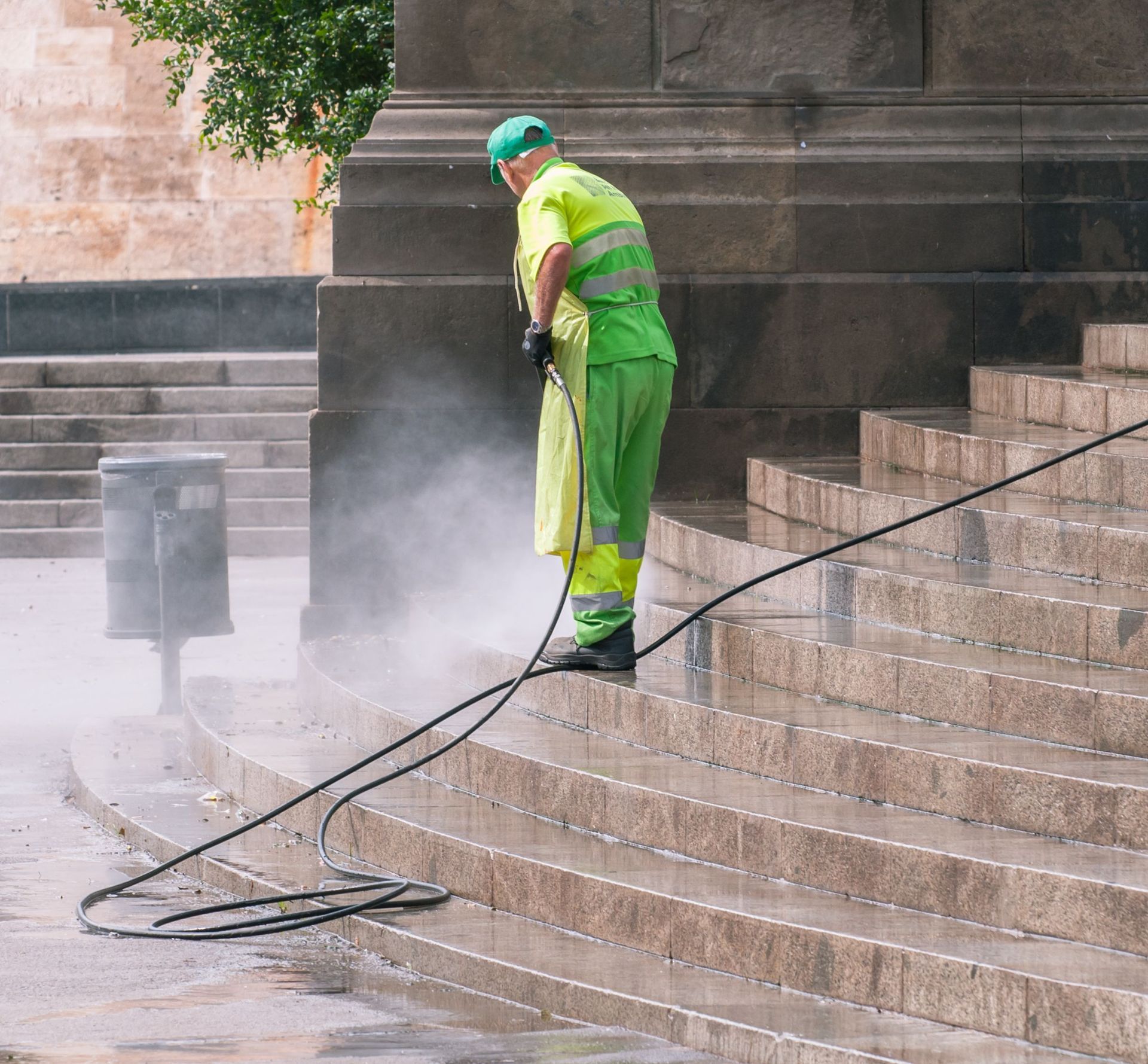
More on commercial pressure washing services in Houston for warehouses and industrial facilities, including exterior cleaning, concrete surfaces, and maintenance.
By Amber Hollier • October 30, 2026
Commercial and industrial painting share certain application principles, but industrial coating projects involve additional technical requirements related to substrate conditions, environmental exposure, and operational demands. Handling industrial coating projects in-house may seem like a practical way to reduce maintenance costs. However, protective coatings must meet specific performance criteria that require specialized knowledge of surface preparation, application techniques, and inspection procedures. Without that expertise, the risk of premature coating failure and additional expenses can outweigh the attempted savings. Surface Preparation and Coating Adhesion Industrial coating systems depend heavily on substrate preparation. Steel, concrete, and previously coated surfaces require different preparation methods to achieve proper adhesion. Abrasive blasting, mechanical cleaning, and contaminant removal are frequently specified according to AMPP standards. Surface profile, soluble salt contamination, and existing coating conditions must also be evaluated before application. Inadequate preparation can contribute to adhesion failure, blistering, corrosion, and premature coating deterioration. Environmental Conditions and Application Requirements Temperature, humidity, and dew point influence coating application and curing. For facilities requiring industrial painting in Houston, the region's high humidity presents additional considerations, particularly when condensation develops on steel surfaces. Industrial coating specifications establish acceptable environmental conditions, mixing requirements, application thicknesses, and curing intervals. Applicators must monitor these variables throughout the project rather than relying solely on visual assessments. Wet-film and dry-film thickness measurements also help verify that protective coatings meet specified requirements. Specialized Training and Workforce Qualifications Industrial coating application requires familiarity with technical specifications, specialized equipment, safety procedures, and quality-control practices. According to the Associated General Contractors of America's 2026 Workforce Survey, 50% of responding construction firms reported that available candidates lacked the necessary skills, certifications, or licenses for industry positions. Although this statistic represents the broader construction industry, it highlights the importance of workforce qualifications in technically demanding trades. Industrial painting crews may also encounter confined spaces, elevated structures, hazardous materials, and active manufacturing environments requiring additional training and coordination. The Financial Impact of Proper Coating Application Protective coatings contribute to corrosion management by limiting exposure to moisture, chemicals, and other environmental conditions that accelerate substrate deterioration. NACE International's IMPACT study estimated that 15% to 35% of global corrosion costs could be avoided through available corrosion-control practices. Coating selection, surface preparation, and application quality are important considerations within a comprehensive corrosion management program. Deficiencies in these areas can lead to premature maintenance requirements, additional repairs, and operational disruptions. Choosing an Experienced Industrial Painting Contractor Facility managers considering commercial painting in Houston should distinguish between routine repainting and projects requiring specialized protective coating systems. Substrate conditions, chemical exposure, operating temperatures, and inspection requirements can significantly influence contractor qualifications. Painting Professionals provides commercial and industrial painting services throughout Houston, Dallas, and surrounding Texas markets. Our team works with facility owners and managers to address coating requirements, surface preparation, and application needs across commercial and industrial environments. Contact Painting Professionals to discuss your facility's upcoming painting or protective coating project.