Commercial & Industrial Pressure Washing in Houston

November 13, 2026

Warehouses and industrial facilities are frequently exposed to dirt, grease, equipment residue, vehicle exhaust, and environmental contaminants that accumulate across exterior surfaces and operational areas. In Houston, high humidity, frequent rainfall, and heavy industrial activity can accelerate buildup, making routine pressure washing an important part of commercial property maintenance. 


Professional commercial pressure washing services in Houston work to remove accumulated contaminants from warehouse and industrial surfaces using cleaning methods suited to the facility’s materials, surface conditions, and daily operations. 


Common Areas That Require Pressure Washing 


Industrial properties often contain a combination of concrete, masonry, metal, and coated surfaces, each requiring different cleaning methods. Pressure washing applications may include: 


  • Loading docks: Removing accumulated dirt, tire marks, and surface residue in high-traffic areas. 
  • Warehouse exteriors: Cleaning concrete, masonry, and compatible coated surfaces exposed to environmental contaminants. 
  • Walkways and entrances: Addressing dirt, algae, and other buildup that can affect pedestrian areas. 
  • Equipment pads and service areas: Removing surface contaminants where cleaning methods and wastewater controls permit. 
  • Parking areas and access roads: Managing accumulated grime from commercial vehicles and daily operations. 


Cleaning requirements vary depending on surface condition, contamination levels, and facility operations. 


Pressure Washing in Industrial Environments Requires Careful Planning 


Unlike routine residential cleaning, industrial pressure washing in Houston often involves active facilities, heavy equipment, sensitive infrastructure, and regulated materials. 


Water pressure, nozzle selection, cleaning solutions, and surface compatibility must be evaluated before work begins. Excessive pressure can damage protective coatings, deteriorated concrete, sealants, and other vulnerable materials. 


Facilities must also consider wastewater management. Depending on the contaminants present and applicable regulations, wash water may require containment, collection, or appropriate disposal rather than discharge into storm drains. 


Scheduling is another consideration. Coordinating cleaning around deliveries, loading operations, and employee traffic helps limit interference with daily activities. 


Pressure Washing as Part of Exterior Maintenance 


Routine cleaning can reduce surface accumulation and provide better visibility of existing deterioration, including coating failures, staining, and areas requiring further attention. 


For facilities planning exterior repainting or protective coating applications, pressure washing may also be included in surface preparation. However, cleaning alone does not replace the additional preparation required to achieve appropriate coating adhesion. 


Commercial Pressure Washing Services in Houston 


Painting Professionals provides commercial and industrial pressure washing services in Houston for facilities with demanding maintenance requirements. Our team considers surface conditions, site accessibility, and operational needs when planning cleaning projects. 


Whether maintaining warehouse exteriors, concrete areas, or preparing surfaces for repainting, contact Painting Professionals to discuss pressure washing services for your commercial or industrial property! 

By Amber Hollier • October 30, 2026
Commercial and industrial painting share certain application principles, but industrial coating projects involve additional technical requirements related to substrate conditions, environmental exposure, and operational demands. Handling industrial coating projects in-house may seem like a practical way to reduce maintenance costs. However, protective coatings must meet specific performance criteria that require specialized knowledge of surface preparation, application techniques, and inspection procedures. Without that expertise, the risk of premature coating failure and additional expenses can outweigh the attempted savings. Surface Preparation and Coating Adhesion Industrial coating systems depend heavily on substrate preparation. Steel, concrete, and previously coated surfaces require different preparation methods to achieve proper adhesion. Abrasive blasting, mechanical cleaning, and contaminant removal are frequently specified according to AMPP standards. Surface profile, soluble salt contamination, and existing coating conditions must also be evaluated before application. Inadequate preparation can contribute to adhesion failure, blistering, corrosion, and premature coating deterioration. Environmental Conditions and Application Requirements Temperature, humidity, and dew point influence coating application and curing. For facilities requiring industrial painting in Houston, the region's high humidity presents additional considerations, particularly when condensation develops on steel surfaces. Industrial coating specifications establish acceptable environmental conditions, mixing requirements, application thicknesses, and curing intervals. Applicators must monitor these variables throughout the project rather than relying solely on visual assessments. Wet-film and dry-film thickness measurements also help verify that protective coatings meet specified requirements. Specialized Training and Workforce Qualifications Industrial coating application requires familiarity with technical specifications, specialized equipment, safety procedures, and quality-control practices. According to the Associated General Contractors of America's 2026 Workforce Survey, 50% of responding construction firms reported that available candidates lacked the necessary skills, certifications, or licenses for industry positions. Although this statistic represents the broader construction industry, it highlights the importance of workforce qualifications in technically demanding trades. Industrial painting crews may also encounter confined spaces, elevated structures, hazardous materials, and active manufacturing environments requiring additional training and coordination. The Financial Impact of Proper Coating Application Protective coatings contribute to corrosion management by limiting exposure to moisture, chemicals, and other environmental conditions that accelerate substrate deterioration. NACE International's IMPACT study estimated that 15% to 35% of global corrosion costs could be avoided through available corrosion-control practices. Coating selection, surface preparation, and application quality are important considerations within a comprehensive corrosion management program. Deficiencies in these areas can lead to premature maintenance requirements, additional repairs, and operational disruptions. Choosing an Experienced Industrial Painting Contractor Facility managers considering commercial painting in Houston should distinguish between routine repainting and projects requiring specialized protective coating systems. Substrate conditions, chemical exposure, operating temperatures, and inspection requirements can significantly influence contractor qualifications. Painting Professionals provides commercial and industrial painting services throughout Houston, Dallas, and surrounding Texas markets. Our team works with facility owners and managers to address coating requirements, surface preparation, and application needs across commercial and industrial environments. Contact Painting Professionals to discuss your facility's upcoming painting or protective coating project.
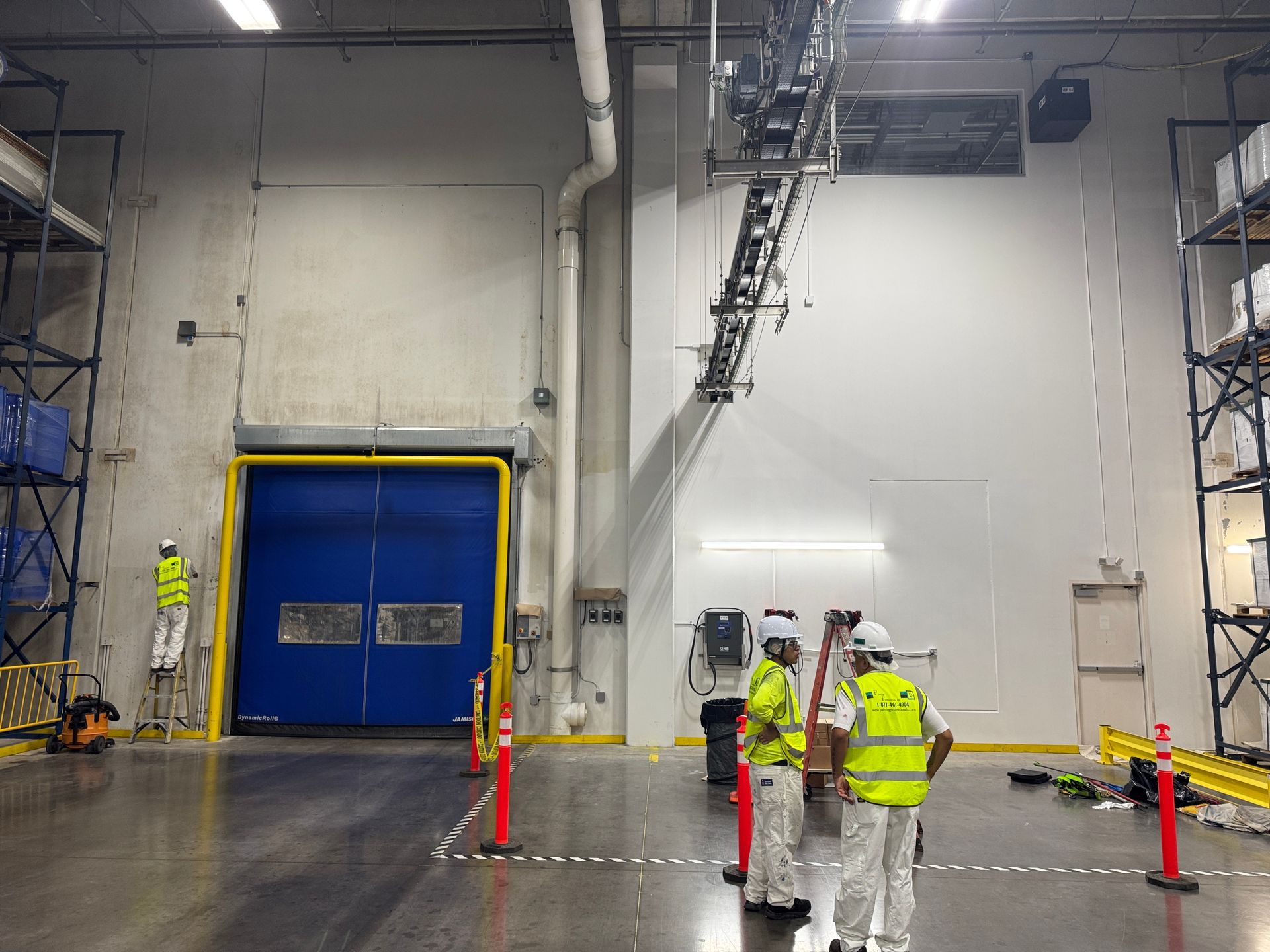
Preparing to apply industrial wall coatings inside a Houston food storage warehouse.
October 16, 2026
Protect food storage facilities against moisture damage and microbial growth with specialized industrial coatings and surface treatments in Houston.