Commercial Painting Issues: What Causes Cracking, Peeling, and Blistering Paint?

Amber Hollier • January 29, 2025

Nothing is more frustrating than noticing your fresh coat of paint cracking, peeling, or bubbling on your walls. These issues can tarnish the appearance of your property; however, it's often a signal of other underlying problems. Fortunately, with the right knowledge and approach to commercial painting, you can fix and prevent these paint problems.

What Causes Cracking, Peeling, and Blistering Paint?

  1. Cracking Paint:
    • Cause: Cracking often happens when paint is applied too thinly or when the underlying surface is dirty or poorly prepared. Over time, environmental factors like humidity and temperature changes can exacerbate the cracks.
    • Signs: Small hairline cracks that can widen or flake off over time.
  2. Peeling Paint:
    • Cause: Poor adhesion between the paint and the surface is the most common culprit. This can happen due to moisture, applying paint to a damp surface, or skipping primer on bare surfaces.
    • Signs: Large chunks of paint flaking or peeling away from the wall or ceiling.
  3. Bubbling Paint:
    • Cause: Bubbles or blisters form when paint loses adhesion, often because of trapped moisture or painting on a hot surface. Painting over a dirty or glossy surface can also cause bubbling.
    • Signs: Raised areas of paint that look like blisters, which may pop and peel.


How to Prevent Problems With Commercial Painting

  1. Surface Preparation: Always clean the surface thoroughly before painting. Remove dirt, grease, or glossy finishes that can prevent adhesion.
  2. Use Primer: Primer helps paint adhere better and creates a smooth base, especially on new, porous, or patched surfaces.
  3. Quality Materials: Invest in high-quality paint and tools for durability and a better finish.
  4. Follow Manufacturer Instructions: Stick to the recommended drying times and application techniques.
  5. Control Moisture: Address any leaks or high humidity levels in your space before painting.
  6. Paint in Ideal Conditions: Avoid painting in extreme temperatures or high humidity to prevent bubbling and cracking.


When to Call a Commercial Painting Professional

If the damage is widespread or caused by underlying structural or moisture issues, it’s best to consult a professional commercial painting company. They have the tools and knowledge to properly handle the situation. Cracking, peeling, and bubbling paint can be a nuisance, but with proper care and attention, you can fix these issues and prevent them in the future. By preparing surfaces thoroughly, using quality materials, and maintaining ideal painting conditions, you’ll achieve a smooth, durable finish that enhances the look of your space.
November 13, 2026
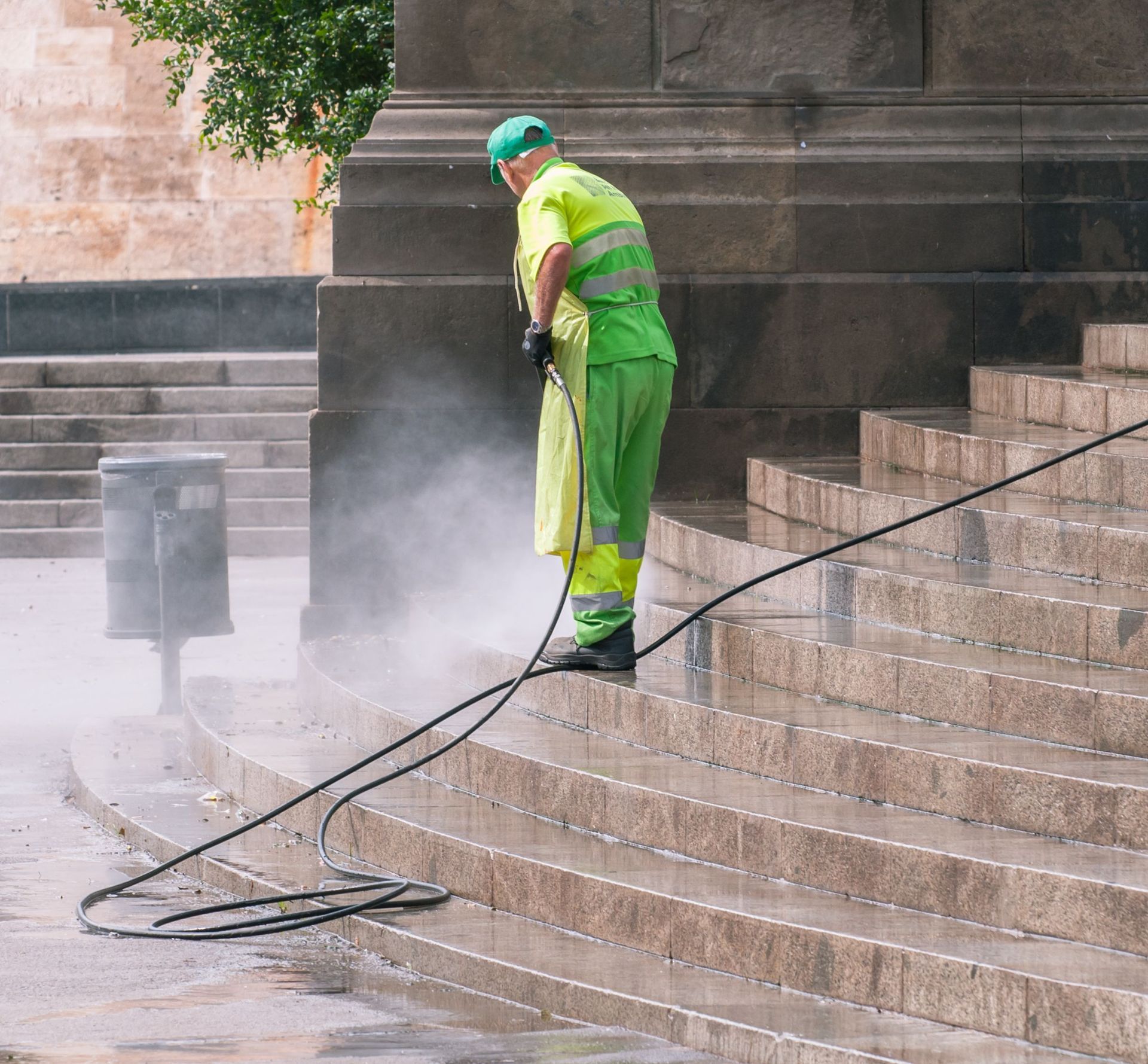
More on commercial pressure washing services in Houston for warehouses and industrial facilities, including exterior cleaning, concrete surfaces, and maintenance.
By Amber Hollier • October 30, 2026
Commercial and industrial painting share certain application principles, but industrial coating projects involve additional technical requirements related to substrate conditions, environmental exposure, and operational demands. Handling industrial coating projects in-house may seem like a practical way to reduce maintenance costs. However, protective coatings must meet specific performance criteria that require specialized knowledge of surface preparation, application techniques, and inspection procedures. Without that expertise, the risk of premature coating failure and additional expenses can outweigh the attempted savings. Surface Preparation and Coating Adhesion Industrial coating systems depend heavily on substrate preparation. Steel, concrete, and previously coated surfaces require different preparation methods to achieve proper adhesion. Abrasive blasting, mechanical cleaning, and contaminant removal are frequently specified according to AMPP standards. Surface profile, soluble salt contamination, and existing coating conditions must also be evaluated before application. Inadequate preparation can contribute to adhesion failure, blistering, corrosion, and premature coating deterioration. Environmental Conditions and Application Requirements Temperature, humidity, and dew point influence coating application and curing. For facilities requiring industrial painting in Houston, the region's high humidity presents additional considerations, particularly when condensation develops on steel surfaces. Industrial coating specifications establish acceptable environmental conditions, mixing requirements, application thicknesses, and curing intervals. Applicators must monitor these variables throughout the project rather than relying solely on visual assessments. Wet-film and dry-film thickness measurements also help verify that protective coatings meet specified requirements. Specialized Training and Workforce Qualifications Industrial coating application requires familiarity with technical specifications, specialized equipment, safety procedures, and quality-control practices. According to the Associated General Contractors of America's 2026 Workforce Survey, 50% of responding construction firms reported that available candidates lacked the necessary skills, certifications, or licenses for industry positions. Although this statistic represents the broader construction industry, it highlights the importance of workforce qualifications in technically demanding trades. Industrial painting crews may also encounter confined spaces, elevated structures, hazardous materials, and active manufacturing environments requiring additional training and coordination. The Financial Impact of Proper Coating Application Protective coatings contribute to corrosion management by limiting exposure to moisture, chemicals, and other environmental conditions that accelerate substrate deterioration. NACE International's IMPACT study estimated that 15% to 35% of global corrosion costs could be avoided through available corrosion-control practices. Coating selection, surface preparation, and application quality are important considerations within a comprehensive corrosion management program. Deficiencies in these areas can lead to premature maintenance requirements, additional repairs, and operational disruptions. Choosing an Experienced Industrial Painting Contractor Facility managers considering commercial painting in Houston should distinguish between routine repainting and projects requiring specialized protective coating systems. Substrate conditions, chemical exposure, operating temperatures, and inspection requirements can significantly influence contractor qualifications. Painting Professionals provides commercial and industrial painting services throughout Houston, Dallas, and surrounding Texas markets. Our team works with facility owners and managers to address coating requirements, surface preparation, and application needs across commercial and industrial environments. Contact Painting Professionals to discuss your facility's upcoming painting or protective coating project.