Tips and Tricks For Maintaining Your Commercial Paint Job

Amber Hollier • November 27, 2023

Hire Professional Commercial Painters

There is no substitution for expert help when it comes to exterior painting. Hiring professional commercial painters ensures quality work and a long-lasting result. They have the skill set to handle projects large and small. Because your commercial building presents a professional appearance, it is important to have a professional take on the job. From the requirements for commercial buildings to choosing the right type of paint, as well as preparation and application techniques, trust the professionals. 

Use Top-Quality Paint Products 

Commercial painting projects should opt for a high-quality product that is designed for exterior painting. When you use a high-quality exterior paint, it is designed to be resistant to harsh weather, intense direct sun, and wear and tear from the general public. Top-quality materials will keep their color longer, and provide a vibrant appearance. Consult a professional to guide you in picking the right paint for your project. 

Make Surface Preparation a Priority

People tend to underestimate the importance of surface preparation in any painting project. Before you apply paint to your commercial building, preparing the surface is crucial. Surfaces must be thoroughly cleaned. Additionally, peeling paint must be removed, rough areas sanded, and cracks or other damage must be fixed. Getting the surface ready is important before applying any type of paint to ensure that the paint adheres properly and will look its best. As said before, professional commercial painters have the expertise to handle the proper preparation before a drop of paint goes on the building. 

Maintain and Inspect Regularly

It is important to follow a regular routine of inspection and maintenance for regular wear and tear. Look for peeling, cracking, and fading paint so that these issues can be addressed immediately before adding further damage. Part of the maintenance routine should include cleaning the painted surfaces regularly to remove dirt that degrades paint over time. 

Primer Helps to Enhance Protection

Before applying the topcoat, the use of a primer can go a long way to increasing the lifespan of the paint. Think of the primer as a foundation that helps the paint stick to the surface. Primer also acts as a sealant for porous surfaces and gives added protection against moisture. Adding a primer is far more than best practice. It is vital to a professional-looking commercial paint project. 

Protect Against Weather and Environment Concerns

Exterior paint on a commercial building is going to be impacted by the local weather and environmental conditions. You know your area best, so consider the use of a paint that is designed to resist different weather conditions such as excessive heat, rain, and ultraviolet rays. A clear protective coat on top of the paint adds extra defense against those elements and can be an ounce of prevention that is well worth the extra money and effort. Professional commercial painters can give you a good idea of the added value that comes with added weather protection, and how much longer your paint will be expected to last. 

Summary

The visual appeal of your commercial building is very important. For this reason, protecting the paint is how you protect your investment over time. Using professional commercial painters, top-quality paint, and regularly inspecting your building are all keys to a successful exterior appearance. Additionally, remember that surface preparation can make the difference between a professional and an amateur appearance. 

Taking proactive measures, and weighing out the benefits of added protection against weather and environmental concerns can enhance the lifespan of your commercial painting. Remember that the guidance of professionals can make your project go much more smoothly, with a longer-lasting end result that exceeds your expectations.
November 13, 2026
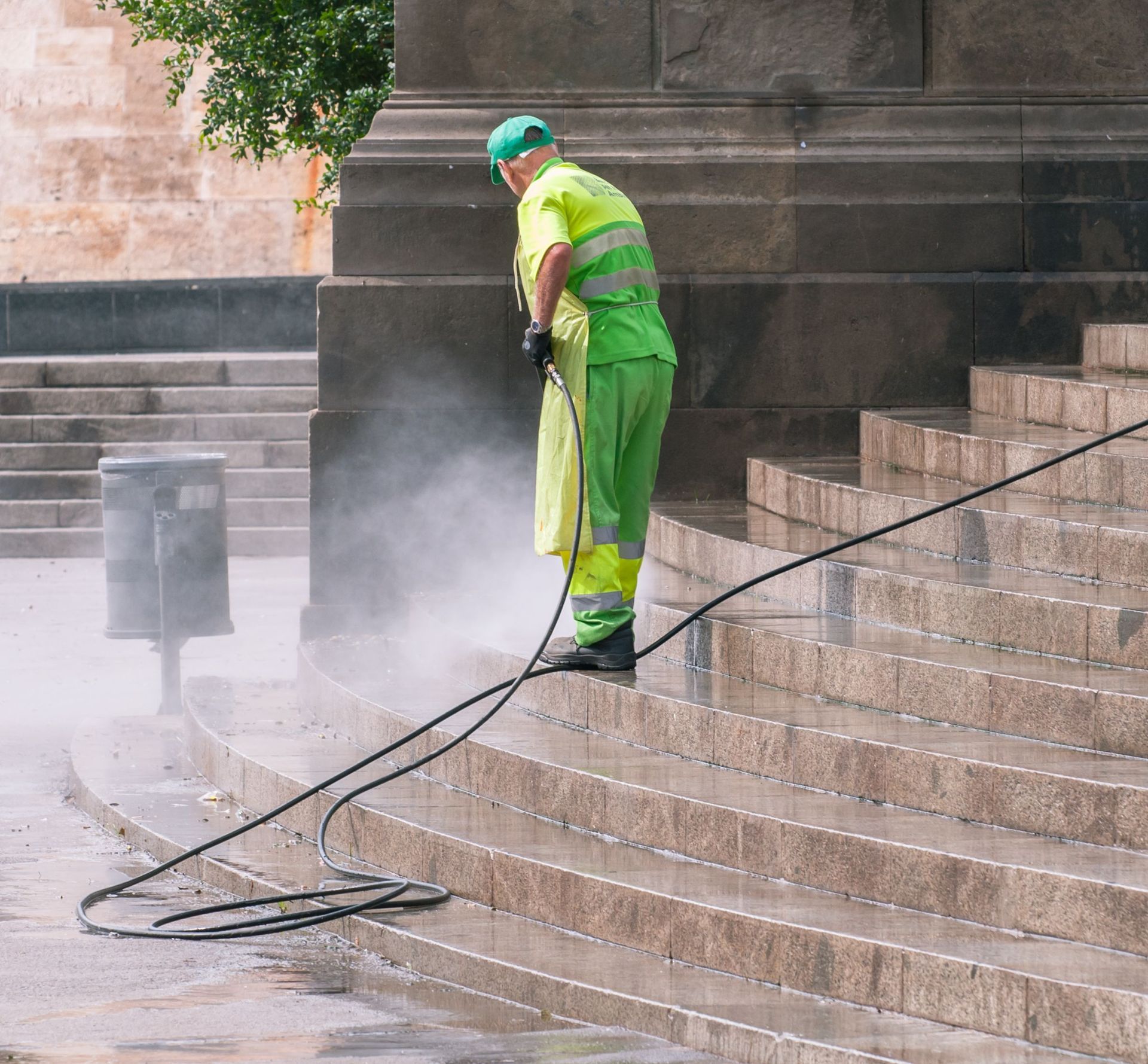
More on commercial pressure washing services in Houston for warehouses and industrial facilities, including exterior cleaning, concrete surfaces, and maintenance.
By Amber Hollier • October 30, 2026
Commercial and industrial painting share certain application principles, but industrial coating projects involve additional technical requirements related to substrate conditions, environmental exposure, and operational demands. Handling industrial coating projects in-house may seem like a practical way to reduce maintenance costs. However, protective coatings must meet specific performance criteria that require specialized knowledge of surface preparation, application techniques, and inspection procedures. Without that expertise, the risk of premature coating failure and additional expenses can outweigh the attempted savings. Surface Preparation and Coating Adhesion Industrial coating systems depend heavily on substrate preparation. Steel, concrete, and previously coated surfaces require different preparation methods to achieve proper adhesion. Abrasive blasting, mechanical cleaning, and contaminant removal are frequently specified according to AMPP standards. Surface profile, soluble salt contamination, and existing coating conditions must also be evaluated before application. Inadequate preparation can contribute to adhesion failure, blistering, corrosion, and premature coating deterioration. Environmental Conditions and Application Requirements Temperature, humidity, and dew point influence coating application and curing. For facilities requiring industrial painting in Houston, the region's high humidity presents additional considerations, particularly when condensation develops on steel surfaces. Industrial coating specifications establish acceptable environmental conditions, mixing requirements, application thicknesses, and curing intervals. Applicators must monitor these variables throughout the project rather than relying solely on visual assessments. Wet-film and dry-film thickness measurements also help verify that protective coatings meet specified requirements. Specialized Training and Workforce Qualifications Industrial coating application requires familiarity with technical specifications, specialized equipment, safety procedures, and quality-control practices. According to the Associated General Contractors of America's 2026 Workforce Survey, 50% of responding construction firms reported that available candidates lacked the necessary skills, certifications, or licenses for industry positions. Although this statistic represents the broader construction industry, it highlights the importance of workforce qualifications in technically demanding trades. Industrial painting crews may also encounter confined spaces, elevated structures, hazardous materials, and active manufacturing environments requiring additional training and coordination. The Financial Impact of Proper Coating Application Protective coatings contribute to corrosion management by limiting exposure to moisture, chemicals, and other environmental conditions that accelerate substrate deterioration. NACE International's IMPACT study estimated that 15% to 35% of global corrosion costs could be avoided through available corrosion-control practices. Coating selection, surface preparation, and application quality are important considerations within a comprehensive corrosion management program. Deficiencies in these areas can lead to premature maintenance requirements, additional repairs, and operational disruptions. Choosing an Experienced Industrial Painting Contractor Facility managers considering commercial painting in Houston should distinguish between routine repainting and projects requiring specialized protective coating systems. Substrate conditions, chemical exposure, operating temperatures, and inspection requirements can significantly influence contractor qualifications. Painting Professionals provides commercial and industrial painting services throughout Houston, Dallas, and surrounding Texas markets. Our team works with facility owners and managers to address coating requirements, surface preparation, and application needs across commercial and industrial environments. Contact Painting Professionals to discuss your facility's upcoming painting or protective coating project.