The Importance of Commercial Painting
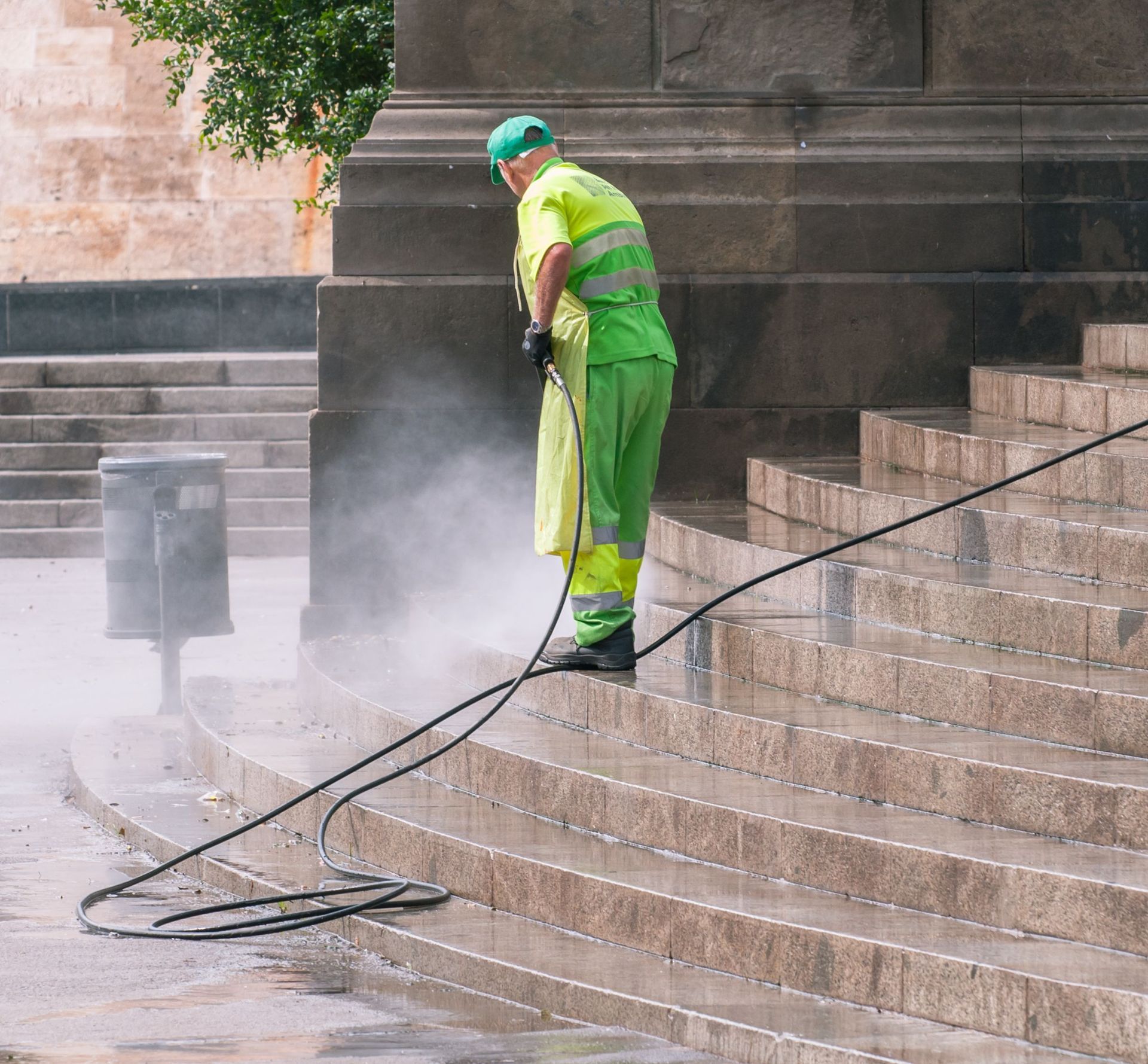
Aesthetics play an integral role in a business's reputation; a well painted workspace leaves a profound impression on your customers. Beyond enhancing the building's curb appeal, commercial painting significantly contributes to your organization's professional image. A clean and well maintained workspace is directly associated with the perception of quality service delivered. Commercial painters offer a wide range of services, such as interior and exterior repaints, high durability coating, carpentry work, power washing, wallcovering, and waterproofing. Commercial painting carries weight not just on the aesthetics but also on safety measures. An orderly workspace, maintained with proper paint, marginalizes potential hazards.
Delving Deeper: Commercial Painting and Safety in the Workplace
Employee Safety and Commercial Painting
The lethality of accidents in business establishments can be immensely reduced with appropriate safety line painting. Indeed, these safety lines play a fundamental function as visual aids, enabling the creation of a safer workplace. They precisely delineate the operational space, preventing unexpected mishaps that might endanger the lives of personnel. Institutional guidelines furnished by the Occupational Safety and Health Administration (OSHA) highly endorse the application of safety line painting.
Moreover, certain commercial painting techniques such as using textured coatings create slip-resistant surfaces and considerably diminish risks of slips, trips, and falls.
The Key Role of Commercial Painters
The key to ensuring workplace safety lies significantly in the hands of professional commercial painters. They are qualified in strategic planning for safety features while minimizing service disruption during painting projects. Furthermore, professional painters provide expert advice on color selection, finishes, and maintenance
The Importance of Trade Experts
The role of these trade experts goes beyond just applying a coat of paint on walls. They are essential to upholding safety standards within the workspace. By utilizing their expertise, careful plans get drafted, incorporating essential safety features.
During execution, with detailed approaches and practical problem solving abilities, disturbances get drastically curtailed. Apart from their core task, their profound knowledge offers recommendations on color choice, efficient finishes, and future maintenance - leading to a comprehensive, well rounded, and safe work environment. This added value is often overlooked despite the significant added value.
The Impact: The Need for Commercial Painting as a Priority for Business Owners and Property Managers
Economic Incentives of Commercial Painting for Safety
Commercial painting is not just a matter of aesthetics; it is a sound strategy to protect the business from expensive accidents. The potential for savings is significant. By carefully maintaining and freshly painting spaces, the property value increases. Additionally, commercial painting done by professionals decreases upkeep costs over time. This cost effectiveness positions commercial painting as a strategic investment for business success.
Boosting Employee Productivity
A well painted and maintained workspace is crucial for driving productivity. Employee morale and productivity see an upswing when the workplace is clean and safe. The commitment to aesthetics and safety sends a strong message to employees about the value the organization places on their well-being. Clean, safe work environments lead to satisfied employees, and this satisfaction translates into productivity. Productivity is linked to profitability that yields enterprise-wide benefits.
The Bottom Line
When considering commercial painting projects, business owners and property managers must consider both aesthetics and safety. This combined approach contributes to successful, profitable operations. Hiring expert painters for commercial painting projects is an investment that pays dividends by enhancing workspace longevity and quality. The importance of professional painting services cannot be overstated; these services are valuable across diverse sectors such as hospitality, industrial establishments, education facilities, retail, healthcare, and beyond.
Transitioning our perspective of commercial painting from mere aesthetics to a vital role in safety reshapes our understanding of its importance. With every brush stroke, commercial painting as a safety measure is reinforced. We hope, this shift in perspective underlines the value commercial painting holds in both aesthetics and safety. Different painting techniques don't just improve the look and feel of a workspace, but also enhance its safety with features like safety lines and slip resistant surfaces. Painting Professionals Inc. specialize in striking this balance and prioritizing safety.