The Foundation of Lasting Finishes: Understanding Commercial Painting
Commercial painting is far more than just adding color to walls. It's a critical process that protects and preserves structures, ensuring their longevity and functionality. At the heart of this process lies the art of preparation, a meticulous approach that commercial painters and/or industrial painters have mastered over years of experience. Proper preparation is the cornerstone of any successful painting project, setting the stage for a finish that not only looks stunning but also stands the test of time. This article delves into the essential steps and techniques behind successful commercial painting projects.
Commercial Painting Industry Overview
Beyond DIY: The Scope of Professional Services
Commercial painting contractors offer specialized services that go far beyond basic paint application. The industry boasts a market size of $41 billion, with commercial and industrial contractors representing approximately 40% of this figure. In the United States alone, there are 252,000 painting businesses employing 419,000 people.
The sector is poised for growth, with projections indicating an increase of 4,600 new companies and 8,000 new employees by 2027. Interestingly, 88% of industry revenue comes from companies with fewer than 12 employees, highlighting the importance of small businesses in this field.
Diverse Applications and Expertise
Professional painting services encompass a wide range of activities, including preparation, application, protection, and maintenance. These experts work on various surfaces such as wood, brick, concrete, marble, metal, and reinforced plastic. Their projects extend beyond buildings to include bridges, dams, and shipyards. These professionals employ specialized techniques such as industrial spray painting, epoxy floor coating, and waterproofing. Their services extend beyond painting to include specialty coatings, linings, insulation, lead abatement, fireproofing, and corrosion control.
Adapting to Challenges and Opportunities
The industry has shown resilience in adapting to challenges, such as the recent pandemic. Contractors were well-prepared due to their pre-existing use of PPE and ventilated workspaces.
The Art of Surface Preparation
Inspection and Assessment
The foundation of any successful commercial painting project lies in a thorough evaluation of surface conditions. Expert painters begin by meticulously identifying the types of materials they'll be working with, whether it's concrete, metal, wood, or drywall. This initial assessment allows them to tailor their approach to each unique surface.
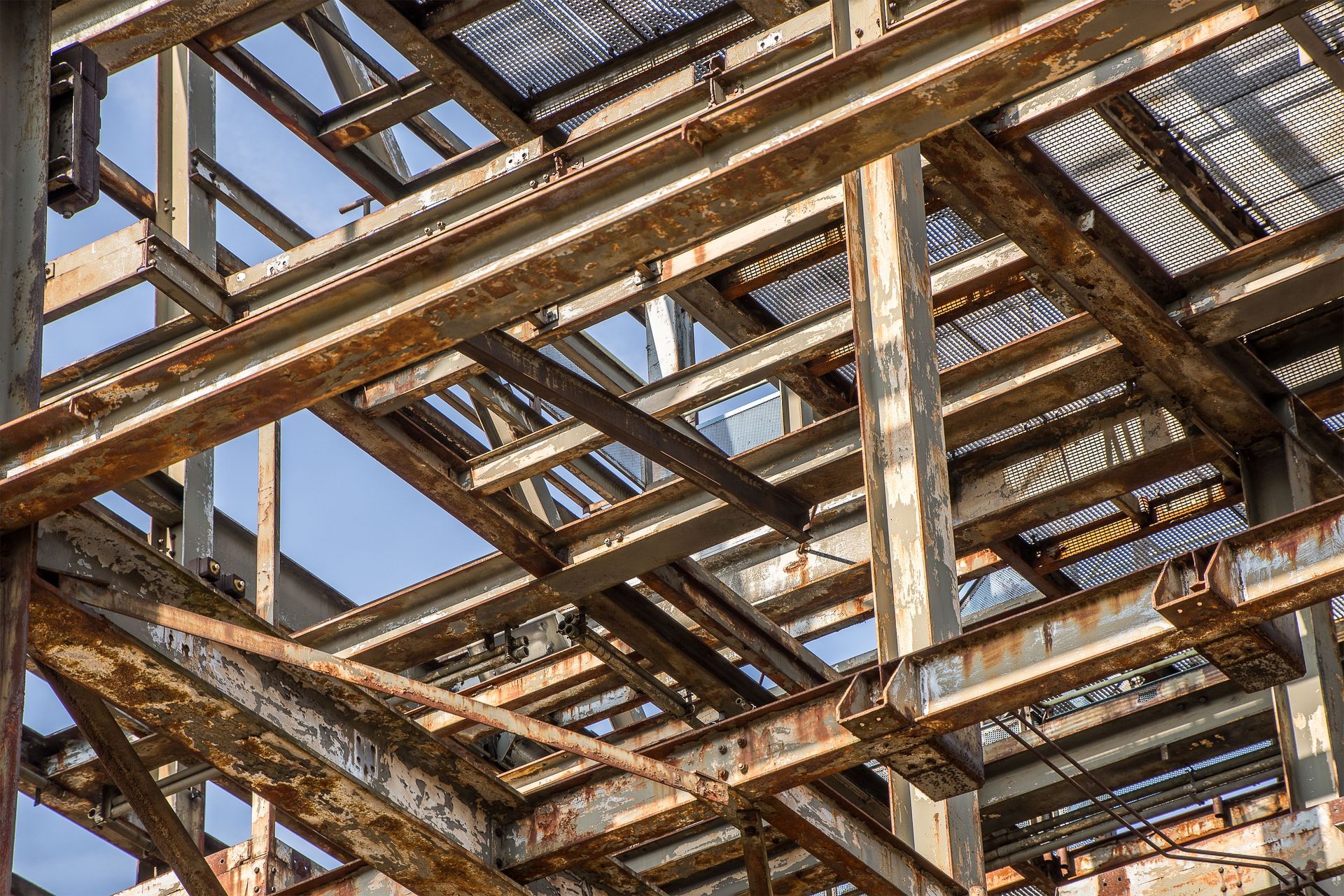
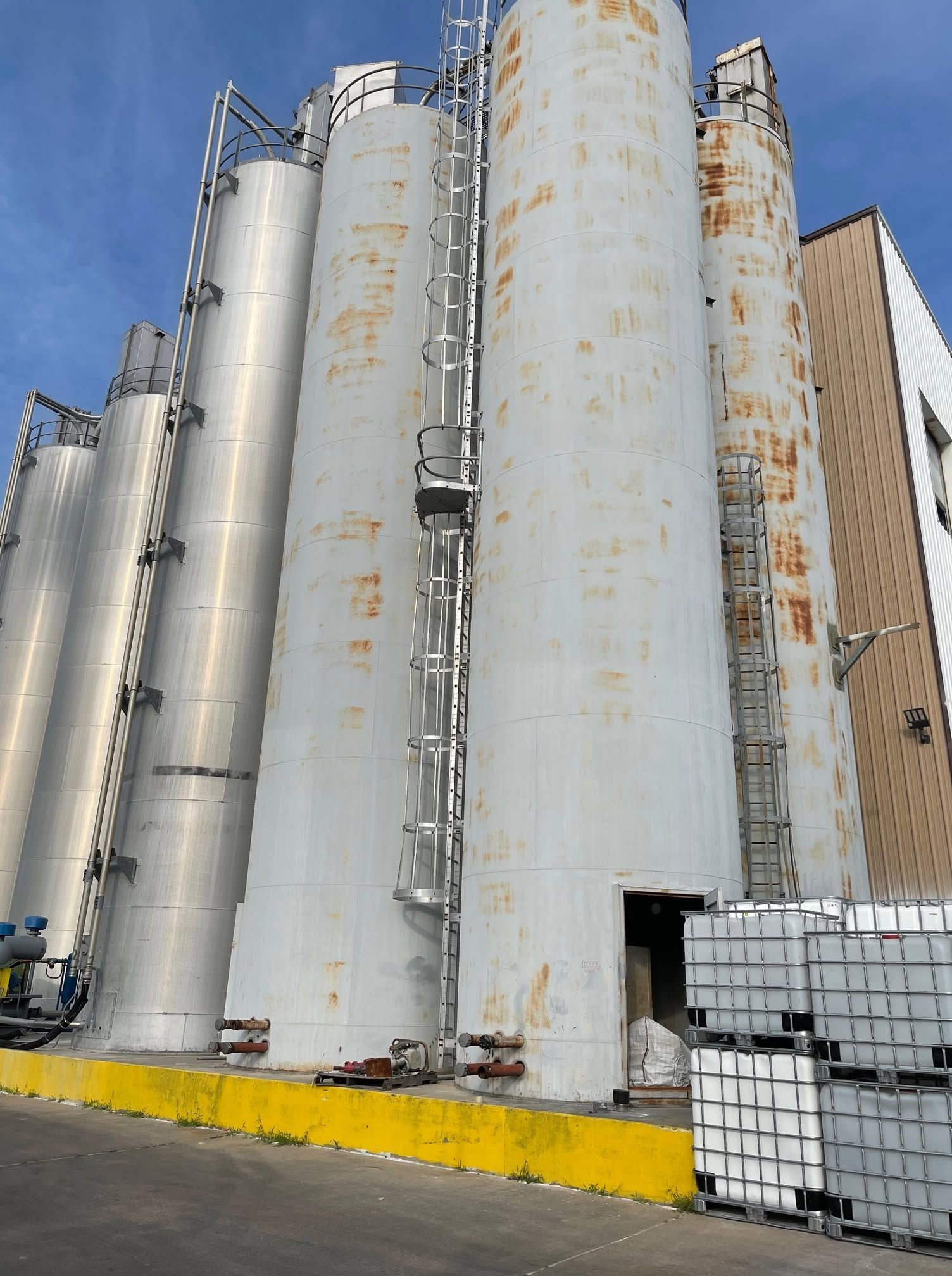
During this crucial phase, professionals keep a keen eye out for potential issues such as cracks, peeling paint, rust, or mold. These problems, if left unaddressed, can significantly impact the longevity and quality of the final finish. Environmental factors also play a vital role in the assessment process, with painters considering moisture levels, temperature fluctuations, and exposure to sunlight.
Armed with this comprehensive understanding of the project's specific needs, skilled painters create a customized preparation plan. This tailored approach ensures that every surface receives the appropriate treatment, setting the stage for a flawless and durable paint job.
Cleaning and Decontamination
Once the assessment is complete, the focus shifts to cleaning and decontamination. This step is critical for ensuring proper paint adhesion and longevity. For exterior surfaces, power washing is often employed to remove debris and grime effectively.
In cases where stubborn stains or oil-based contaminants are present, chemical cleaning agents may be necessary. These specialized solutions help break down tough residues without damaging the underlying surface. For interior projects, HEPA vacuuming is a go-to method for removing dust and loose particles, creating a clean canvas for paint application.
Advanced Preparation Techniques
Abrasive Blasting and Sanding
In the world of commercial painting, abrasive blasting and sanding are crucial techniques for achieving a perfect surface. These methods employ various media, such as sand, glass beads, and even walnut shells, each suited to different surface types. The primary goal is to remove old paint, rust, and create an ideal profile for new coatings to adhere to.
For environmentally sensitive areas, dustless blasting techniques have become increasingly popular. These methods minimize dust and debris, making them ideal for indoor applications or areas with strict environmental regulations. Mechanical sanding is the go-to approach for wood and drywall surfaces, ensuring a smooth finish that's ready for paint application.
Hand sanding plays a vital role in detail work and hard-to-reach areas. This meticulous process allows for precision in corners, edges, and intricate architectural features. By combining these various sanding and blasting techniques, professionals can tackle any surface preparation challenge with confidence.
Priming and Sealing
Selecting the appropriate primer is a critical step in the preparation process. The choice depends on both the surface material and the final coating to be applied. For difficult surfaces like glossy paint or laminate, bonding primers are essential to ensure proper adhesion. Stain-blocking primers are crucial for preventing bleed-through from previous colors or stains, ensuring a clean and uniform final appearance. In areas prone to dampness, moisture-sealing primers are employed to protect the surface from water damage. For metal surfaces, specialized primers are used to prevent corrosion and extend the life of the paint job.
Quality Control and Project Management
Environmental Controls
Commercial painting projects require meticulous attention to environmental factors. Professional painters constantly monitor and adjust temperature and humidity levels to ensure optimal application conditions. They employ dehumidifiers or heaters when necessary to create the ideal painting environment.
Proper ventilation is crucial not only for meeting safety standards but also for aiding in the drying process. For exterior projects, scheduling work around favorable weather conditions is essential to avoid compromising the quality of the finish. Interior renovations often require the implementation of dust containment systems to maintain a clean workspace and protect adjacent areas.
Safety and Compliance
Adhering to OSHA regulations is paramount in commercial painting projects. This includes the proper handling and disposal of hazardous materials, which is critical for both worker and environmental safety. All team members are required to use appropriate personal protective equipment (PPE) throughout the project. For high-elevation work, implementing fall protection measures is crucial. Professional painting contractors also ensure they obtain all necessary permits and follow local building codes to maintain compliance throughout the project.
Documentation and Client Communication
Effective project management involves sharing detailed plans and timelines with property managers. Regular progress reports and photo documentation keep clients informed throughout the painting process.
Embracing Innovation in Commercial Painting
Technology-Driven Solutions
The commercial painting industry is undergoing a technological revolution. Color-matching software now enables precise selection and replication of hues, ensuring consistency across large projects. Drones have become invaluable tools for inspecting and assessing tall structures, improving safety and efficiency. Project management software streamlines operations, enhancing communication and productivity. Virtual reality allows clients to preview color schemes and finishes before work begins, reducing revisions and increasing satisfaction. Cutting-edge robotic painting systems are being explored for large, uniform surfaces, promising to revolutionize the industry further.
The Lasting Impact of Proper Preparation
Beyond Aesthetics: The Value of Meticulous Prep
Proper preparation is the cornerstone of successful commercial painting projects. It goes far beyond creating a visually appealing surface, offering long-term benefits that property managers and building owners can't afford to overlook. These advantages include extended paint life, reduced maintenance costs, and improved property value.
Choosing experienced contractors who prioritize thorough preparation is crucial for achieving optimal results. By investing in quality prep work, property managers ensure better outcomes and contribute to the overall success of their painting projects. The impact of meticulous preparation extends well beyond the initial application, setting the stage for lasting durability and protection.