How Often Should You Paint Your Commercial Building?
Amber Hollier • September 15, 2023
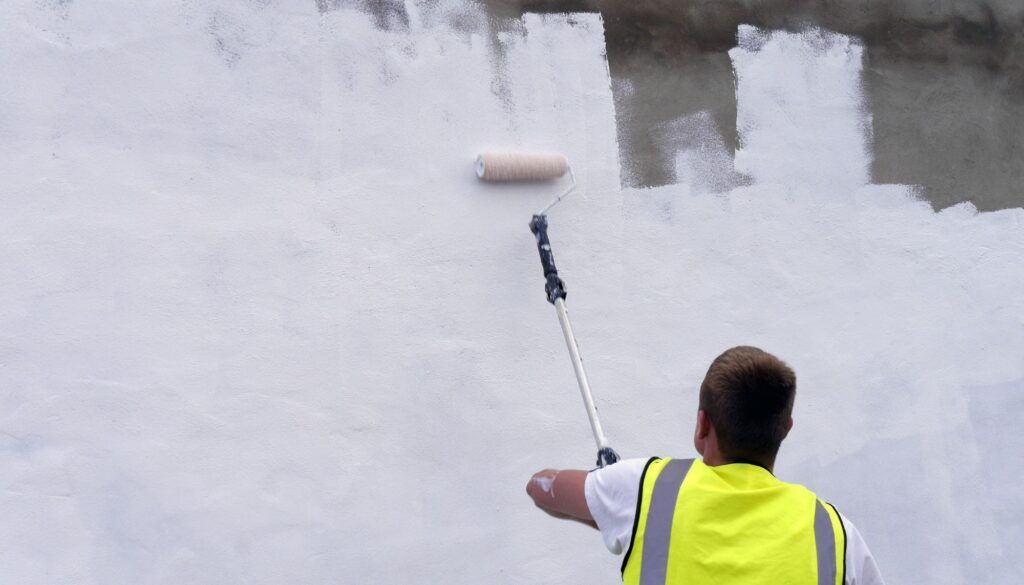
Person in a yellow vest painting a wall white with a roller.

Keeping up with a regular professional painting schedule is a critical part of maintaining any commercial property. Fresh paint protects and beautifies exterior and interior surfaces while conveying a well-kept, professional image. But how do you determine when it's time to repaint various areas? As a trusted commercial painting contractor in the Houston, TX area, we've listed some tips for you below:

Reasons for Repainting Commercial Buildings:

  • Protecting the building envelope - Paint seals out moisture and prevents deterioration, rot, mold, and costly structural issues. It protects wood, concrete, stucco, metal, and masonry surfaces from weather damage caused by rain, wind, humidity, and sun exposure.
  • Maintaining good looks - Fresh paint keeps your property looking clean, modern, and professional. This improves tenant satisfaction and curb appeal, which can aid leasing efforts.
  • Following property management plans - Many commercial building managers schedule regular paint touch-ups or refreshes every 3-5 years. This helps budget, forecast, and plan for this major maintenance expense.

Factors That Determine Commercial Painting Frequency:

  • Building age and condition - Older buildings or those in disrepair likely need paint more often to conceal flaws. Properties over 10 years old should be inspected annually.
  • Geographic location - Climate factors like coastal weather, seasonal humidity, and abundant rain or snow will accelerate paint wear.
  • Quality of previous paint jobs - Surfaces prepped properly and painted with high-end materials will last 5-10 years or longer.
  • High traffic areas - Common spaces like lobbies, hallways, and restrooms show wear sooner than lower traffic hallways and private offices.

Recommended Commercial Painting Frequencies:

  • Exterior paint: Every 5-10 years for wood, concrete, stucco; 7-15 years for sturdy metal and masonry.
  • Interior common areas: Every 3-7 years for high traffic gathering areas; 7-10 years for medium use spaces; 10-15 years for lower traffic areas.
  • Tenant spaces: As needed between occupants to freshen suites plus periodic touch ups of traffic areas.

Benefits of Recommended Professional Painting Schedules:

  • Optimizes paint investments - Regular touch ups every 3-5 years cost far less than large triennial repaints.
  • Avoids major damage - Catching paint failures early prevents worse issues like mold, leaks, and rot.
  • Maintains great curb appeal - Fresh, clean paint keeps tenants happy and conveys your property is well-managed.
  • Enables easier budgeting - Following a consistent schedule allows predicting paint costs.

Keep Your Building Looking Its Best with Professional Painting

Keep your commercial property looking clean, fresh, and polished while avoiding large expenses by following recommended professional painting frequencies. Track dates of previous paint jobs. Schedule an annual inspection to catch issues early. Then contact our team at Painting Professionals for your properties professional painting needs. Our team has deep expertise in commercial painting and maintaining Houston area business properties. We use the best product line from all major manufacturers that provide the most value in each application.  Get in touch today  for a quote on your next commercial interior and exterior painting project!
November 13, 2026
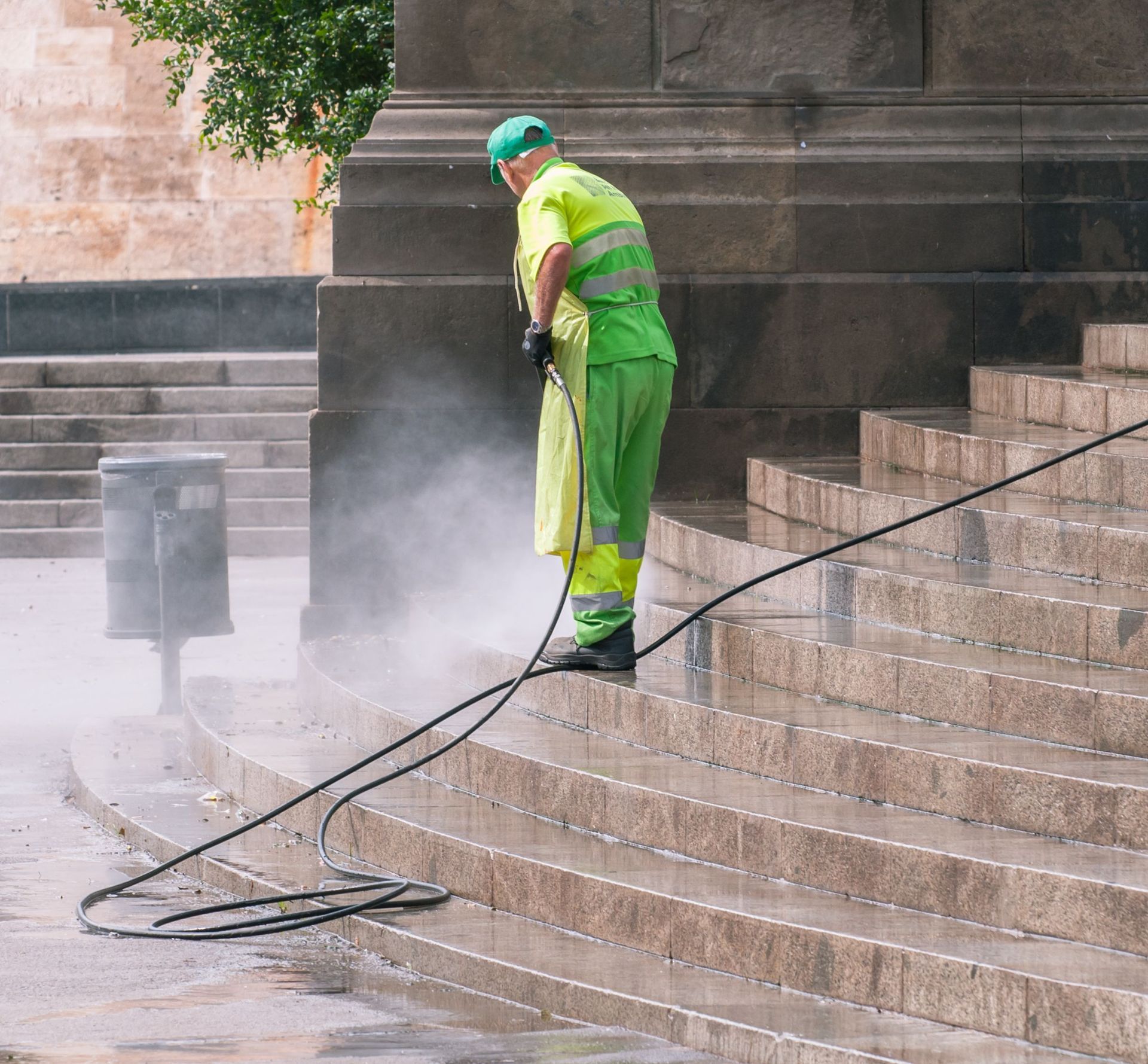
More on commercial pressure washing services in Houston for warehouses and industrial facilities, including exterior cleaning, concrete surfaces, and maintenance.
By Amber Hollier • October 30, 2026
Commercial and industrial painting share certain application principles, but industrial coating projects involve additional technical requirements related to substrate conditions, environmental exposure, and operational demands. Handling industrial coating projects in-house may seem like a practical way to reduce maintenance costs. However, protective coatings must meet specific performance criteria that require specialized knowledge of surface preparation, application techniques, and inspection procedures. Without that expertise, the risk of premature coating failure and additional expenses can outweigh the attempted savings. Surface Preparation and Coating Adhesion Industrial coating systems depend heavily on substrate preparation. Steel, concrete, and previously coated surfaces require different preparation methods to achieve proper adhesion. Abrasive blasting, mechanical cleaning, and contaminant removal are frequently specified according to AMPP standards. Surface profile, soluble salt contamination, and existing coating conditions must also be evaluated before application. Inadequate preparation can contribute to adhesion failure, blistering, corrosion, and premature coating deterioration. Environmental Conditions and Application Requirements Temperature, humidity, and dew point influence coating application and curing. For facilities requiring industrial painting in Houston, the region's high humidity presents additional considerations, particularly when condensation develops on steel surfaces. Industrial coating specifications establish acceptable environmental conditions, mixing requirements, application thicknesses, and curing intervals. Applicators must monitor these variables throughout the project rather than relying solely on visual assessments. Wet-film and dry-film thickness measurements also help verify that protective coatings meet specified requirements. Specialized Training and Workforce Qualifications Industrial coating application requires familiarity with technical specifications, specialized equipment, safety procedures, and quality-control practices. According to the Associated General Contractors of America's 2026 Workforce Survey, 50% of responding construction firms reported that available candidates lacked the necessary skills, certifications, or licenses for industry positions. Although this statistic represents the broader construction industry, it highlights the importance of workforce qualifications in technically demanding trades. Industrial painting crews may also encounter confined spaces, elevated structures, hazardous materials, and active manufacturing environments requiring additional training and coordination. The Financial Impact of Proper Coating Application Protective coatings contribute to corrosion management by limiting exposure to moisture, chemicals, and other environmental conditions that accelerate substrate deterioration. NACE International's IMPACT study estimated that 15% to 35% of global corrosion costs could be avoided through available corrosion-control practices. Coating selection, surface preparation, and application quality are important considerations within a comprehensive corrosion management program. Deficiencies in these areas can lead to premature maintenance requirements, additional repairs, and operational disruptions. Choosing an Experienced Industrial Painting Contractor Facility managers considering commercial painting in Houston should distinguish between routine repainting and projects requiring specialized protective coating systems. Substrate conditions, chemical exposure, operating temperatures, and inspection requirements can significantly influence contractor qualifications. Painting Professionals provides commercial and industrial painting services throughout Houston, Dallas, and surrounding Texas markets. Our team works with facility owners and managers to address coating requirements, surface preparation, and application needs across commercial and industrial environments. Contact Painting Professionals to discuss your facility's upcoming painting or protective coating project.