Lower Risk, Higher Standards: How Our RAVS Plus Certification Translates to Safer Work Sites

Amber Hollier • October 31, 2024

At Painting Professionals, Inc., we take our commitment to safety very seriously, and our RAVS Plus certification showcases that. This safety standard, coupled with our consistently low Experience Modification Rate (EMR), sets us apart in the industry. By prioritizing these factors, we create safer work environments that benefit everyone involved. From commercial property managers to facility managers and building owners, our approach translates to reduced risks, improved efficiency, and peace of mind. We discuss how our RAVS Plus certification is transforming project safety and productivity within commercial painting across the nation more below.

Understanding RAVS Plus Certification

What is RAVS Plus?

RAVS Plus, which stands for Review and Verification Services Plus, is a comprehensive contractor prequalification and auditing program. It goes beyond the standard RAVS program, offering an enhanced level of safety assurance in the construction industry. The certification process involves rigorous evaluations of a company's safety protocols, training programs, and performance metrics.

ISNetworld, a global leader in contractor and supplier management, administers the RAVS Plus certification. This certification is particularly crucial in industries where safety is paramount, such as industrial and commercial painting and facility maintenance. By achieving RAVS Plus certification, contractors demonstrate their unwavering commitment to maintaining the highest safety standards.

Key Components of RAVS Plus Certification

The RAVS Plus program encompasses several factors that ensure a thorough assessment of a contractor's safety practices. It begins with a comprehensive review of the company's safety program, examining policies, procedures, and documentation. The certification process also verifies the safety training and qualifications of personnel, ensuring that all team members are equipped with the necessary knowledge and skills. An important aspect of RAVS Plus is the assessment of a company's safety performance metrics, including incident rates and Experience Modification Rate (EMR). Additionally, on-site implementation audits and field verifications ensure that safety practices are effectively applied in real-world scenarios.

The Impact of Low EMR Rates

Defining Experience Modification Rate (EMR)

Experience Modification Rate (EMR) is a valuable metric in the construction and commercial painting industries. It's calculated based on a company's past safety performance by comparing actual losses to expected losses for similar-sized businesses. EMR plays a vital role in determining workers' compensation insurance premiums, with lower rates indicating better safety records.

A company's EMR directly impacts its competitiveness when bidding for projects. Clients often view a low EMR as a sign of a contractor's commitment to safety and efficiency. This metric not only reflects past performance but also serves as a predictor of future incident likelihood.

Our Commitment to Maintaining Low EMR

At Painting Professionals, INC, we pride ourselves on maintaining an EMR rate well below industry averages. Our current EMR is well below 1, which further reflects our unwavering commitment to safety. We achieve this through our commitment to safety protocols, ongoing training, and a culture of continuous improvement.

Implementing RAVS Plus Standards on Work Sites

Our RAVS Plus certification isn't just a badge of honor; it's a commitment to excellence in safety practices. We begin each commercial painting project with comprehensive safety assessments, tailoring our approach to the unique challenges of each work environment. Collaboration with facility managers helps us to identify potential hazards and integrate client-specific requirements. Our crew members undergo job-specific safety training.
November 13, 2026
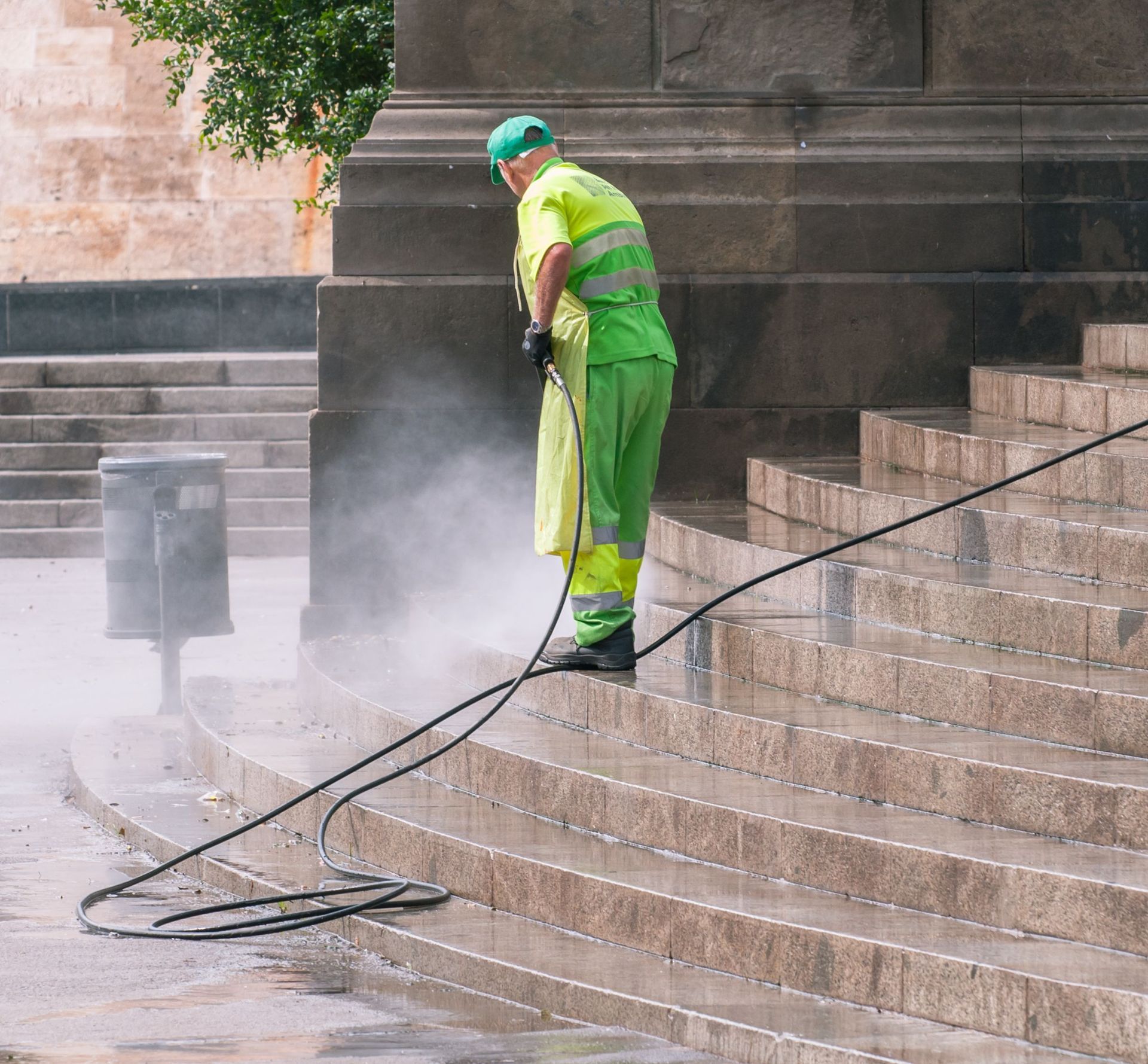
More on commercial pressure washing services in Houston for warehouses and industrial facilities, including exterior cleaning, concrete surfaces, and maintenance.
By Amber Hollier • October 30, 2026
Commercial and industrial painting share certain application principles, but industrial coating projects involve additional technical requirements related to substrate conditions, environmental exposure, and operational demands. Handling industrial coating projects in-house may seem like a practical way to reduce maintenance costs. However, protective coatings must meet specific performance criteria that require specialized knowledge of surface preparation, application techniques, and inspection procedures. Without that expertise, the risk of premature coating failure and additional expenses can outweigh the attempted savings. Surface Preparation and Coating Adhesion Industrial coating systems depend heavily on substrate preparation. Steel, concrete, and previously coated surfaces require different preparation methods to achieve proper adhesion. Abrasive blasting, mechanical cleaning, and contaminant removal are frequently specified according to AMPP standards. Surface profile, soluble salt contamination, and existing coating conditions must also be evaluated before application. Inadequate preparation can contribute to adhesion failure, blistering, corrosion, and premature coating deterioration. Environmental Conditions and Application Requirements Temperature, humidity, and dew point influence coating application and curing. For facilities requiring industrial painting in Houston, the region's high humidity presents additional considerations, particularly when condensation develops on steel surfaces. Industrial coating specifications establish acceptable environmental conditions, mixing requirements, application thicknesses, and curing intervals. Applicators must monitor these variables throughout the project rather than relying solely on visual assessments. Wet-film and dry-film thickness measurements also help verify that protective coatings meet specified requirements. Specialized Training and Workforce Qualifications Industrial coating application requires familiarity with technical specifications, specialized equipment, safety procedures, and quality-control practices. According to the Associated General Contractors of America's 2026 Workforce Survey, 50% of responding construction firms reported that available candidates lacked the necessary skills, certifications, or licenses for industry positions. Although this statistic represents the broader construction industry, it highlights the importance of workforce qualifications in technically demanding trades. Industrial painting crews may also encounter confined spaces, elevated structures, hazardous materials, and active manufacturing environments requiring additional training and coordination. The Financial Impact of Proper Coating Application Protective coatings contribute to corrosion management by limiting exposure to moisture, chemicals, and other environmental conditions that accelerate substrate deterioration. NACE International's IMPACT study estimated that 15% to 35% of global corrosion costs could be avoided through available corrosion-control practices. Coating selection, surface preparation, and application quality are important considerations within a comprehensive corrosion management program. Deficiencies in these areas can lead to premature maintenance requirements, additional repairs, and operational disruptions. Choosing an Experienced Industrial Painting Contractor Facility managers considering commercial painting in Houston should distinguish between routine repainting and projects requiring specialized protective coating systems. Substrate conditions, chemical exposure, operating temperatures, and inspection requirements can significantly influence contractor qualifications. Painting Professionals provides commercial and industrial painting services throughout Houston, Dallas, and surrounding Texas markets. Our team works with facility owners and managers to address coating requirements, surface preparation, and application needs across commercial and industrial environments. Contact Painting Professionals to discuss your facility's upcoming painting or protective coating project.