Commercial Painting in High Humidity Environments

Amber Hollier • October 8, 2025

Commercial painting in high humidity facilities presents unique obstacles that demand careful consideration. Environments like pools, food processing plants, and locker rooms pose significant challenges due to their increased moisture levels. These conditions can lead to premature paint failure, compromising the integrity of the finished product.

Skipping proper preparation in humid spaces carries substantial risks. Humidity impacts paint adhesion and durability, potentially causing costly repairs and frequent repainting.

Moisture-Related Issues

High-humidity environments pose unique challenges for commercial painting projects. Condensation frequently forms on surfaces, creating a breeding ground for mold and mildew. In fact, metal substrates are particularly vulnerable, experiencing accelerated corrosion in these damp conditions.

Paint can blister and peel due to trapped moisture, compromising the integrity of the coating. Additionally, the extended drying and curing times required in humid settings can delay project completion and increase the risk of damage to freshly painted surfaces.

Adhesion Challenges

Damp surfaces make it difficult for paint to bond, often leading to premature failure. Standard primers may not perform as intended in high-humidity conditions, reducing their effectiveness.

Thorough Cleaning and Drying

Proper surface preparation makes for successful commercial painting in high humidity environments. Begin by using industrial dehumidifiers to reduce ambient moisture levels. It's important to allow surfaces to dry completely before proceeding with any paint application.

Employ proper cleaning techniques to remove all contaminants for a clean substrate. Test surface moisture levels using appropriate tools to confirm readiness for painting. Address any existing mold or mildew issues thoroughly, as these can compromise paint adhesion and durability.

Addressing Existing Damage

When dealing with metal surfaces, proper rust removal and treatment are necessary steps. Repair any damaged substrates before painting for a smooth and even finish.

Moisture-Resistant Commercial Paint Options

Epoxy and urethane-based commercial paints offer exceptional moisture resistance and durability. For certain applications, vapor-permeable coatings allow trapped moisture to escape, preventing blistering and peeling.

Anti-microbial additives in paint formulations provide an extra layer of protection against mold and mildew growth. In food processing facilities, specialty coatings ensure compliance with strict hygiene standards. Opting for low VOC content paints not only benefits the environment but also improves air quality in enclosed spaces.

Performance Considerations

Selecting coatings for humid areas requires careful consideration of various performance factors.

Successful commercial painting in high-humidity facilities requires careful control of the environment. Continuously monitor humidity levels throughout the application process. Utilize ventilation systems and dehumidifiers to maintain optimal conditions. Maintain consistent temperature and schedule work during periods of lower humidity when possible. Allow extended drying times between coats for proper curing.

At Painting Professionals, we specialize in providing and applying durable, high-performance finishes for even the most challenging environments. If your facility faces the challenges of excess moisture, let our team provide the expertise and solutions you need.
November 13, 2026
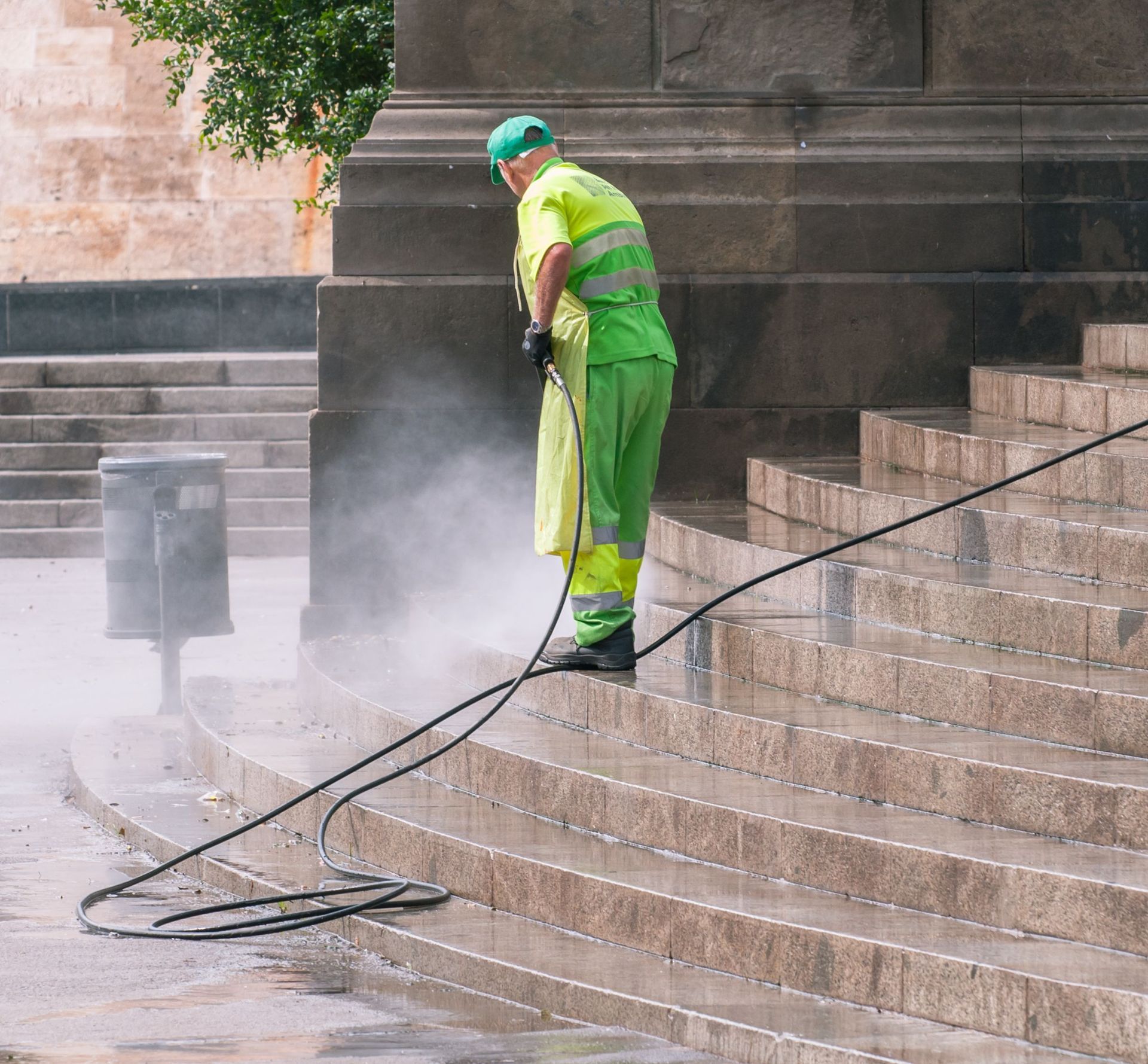
More on commercial pressure washing services in Houston for warehouses and industrial facilities, including exterior cleaning, concrete surfaces, and maintenance.
By Amber Hollier • October 30, 2026
Commercial and industrial painting share certain application principles, but industrial coating projects involve additional technical requirements related to substrate conditions, environmental exposure, and operational demands. Handling industrial coating projects in-house may seem like a practical way to reduce maintenance costs. However, protective coatings must meet specific performance criteria that require specialized knowledge of surface preparation, application techniques, and inspection procedures. Without that expertise, the risk of premature coating failure and additional expenses can outweigh the attempted savings. Surface Preparation and Coating Adhesion Industrial coating systems depend heavily on substrate preparation. Steel, concrete, and previously coated surfaces require different preparation methods to achieve proper adhesion. Abrasive blasting, mechanical cleaning, and contaminant removal are frequently specified according to AMPP standards. Surface profile, soluble salt contamination, and existing coating conditions must also be evaluated before application. Inadequate preparation can contribute to adhesion failure, blistering, corrosion, and premature coating deterioration. Environmental Conditions and Application Requirements Temperature, humidity, and dew point influence coating application and curing. For facilities requiring industrial painting in Houston, the region's high humidity presents additional considerations, particularly when condensation develops on steel surfaces. Industrial coating specifications establish acceptable environmental conditions, mixing requirements, application thicknesses, and curing intervals. Applicators must monitor these variables throughout the project rather than relying solely on visual assessments. Wet-film and dry-film thickness measurements also help verify that protective coatings meet specified requirements. Specialized Training and Workforce Qualifications Industrial coating application requires familiarity with technical specifications, specialized equipment, safety procedures, and quality-control practices. According to the Associated General Contractors of America's 2026 Workforce Survey, 50% of responding construction firms reported that available candidates lacked the necessary skills, certifications, or licenses for industry positions. Although this statistic represents the broader construction industry, it highlights the importance of workforce qualifications in technically demanding trades. Industrial painting crews may also encounter confined spaces, elevated structures, hazardous materials, and active manufacturing environments requiring additional training and coordination. The Financial Impact of Proper Coating Application Protective coatings contribute to corrosion management by limiting exposure to moisture, chemicals, and other environmental conditions that accelerate substrate deterioration. NACE International's IMPACT study estimated that 15% to 35% of global corrosion costs could be avoided through available corrosion-control practices. Coating selection, surface preparation, and application quality are important considerations within a comprehensive corrosion management program. Deficiencies in these areas can lead to premature maintenance requirements, additional repairs, and operational disruptions. Choosing an Experienced Industrial Painting Contractor Facility managers considering commercial painting in Houston should distinguish between routine repainting and projects requiring specialized protective coating systems. Substrate conditions, chemical exposure, operating temperatures, and inspection requirements can significantly influence contractor qualifications. Painting Professionals provides commercial and industrial painting services throughout Houston, Dallas, and surrounding Texas markets. Our team works with facility owners and managers to address coating requirements, surface preparation, and application needs across commercial and industrial environments. Contact Painting Professionals to discuss your facility's upcoming painting or protective coating project.