Professional Commercial Painting: A Weapon Against Graffiti

Amber Hollier • May 9, 2024

One of the biggest challenges faced by commercial property owners and managers is the presence of graffiti. Not only does graffiti detract from the overall appearance of a property, it can also hurt the perception of the business itself. In recent years, professional commercial painting has emerged as a powerful weapon against graffiti, helping property owners combat this ongoing issue. By partnering with local paint contractors, commercial properties can remove existing graffiti and prevent future vandalism.

Understanding and its Impact on Commercial Properties

Graffiti on commercial properties poses numerous problems beyond its appearance. It diminishes curb appeal, repelling potential clients or tenants and lowering the perceived value and safety of the area. This can discourage business growth and attract further vandalism, creating a cycle of neglect. Reduced foot traffic hurts revenue, while the cost of graffiti removal burdens property owners, diverting resources from business development. Ultimately, graffiti undermines both the economic viability and community reputation of commercial properties.

The Role of Professional Commercial Painting in Graffiti Prevention

Professional commercial painting is at the forefront of combating graffiti. It provides essential services that erase existing defacements and deter future incidents. Armed with the latest anti-graffiti technologies and materials, these experts can apply specialized coatings that resist paint and other substances, making it significantly harder for vandals to make their mark. These protective barriers are tough against graffiti and designed to be environmentally friendly and easy to clean, ensuring that properties can quickly return to their pristine state with minimal effort.

Innovative Solutions and Techniques Used by Painting Contractors

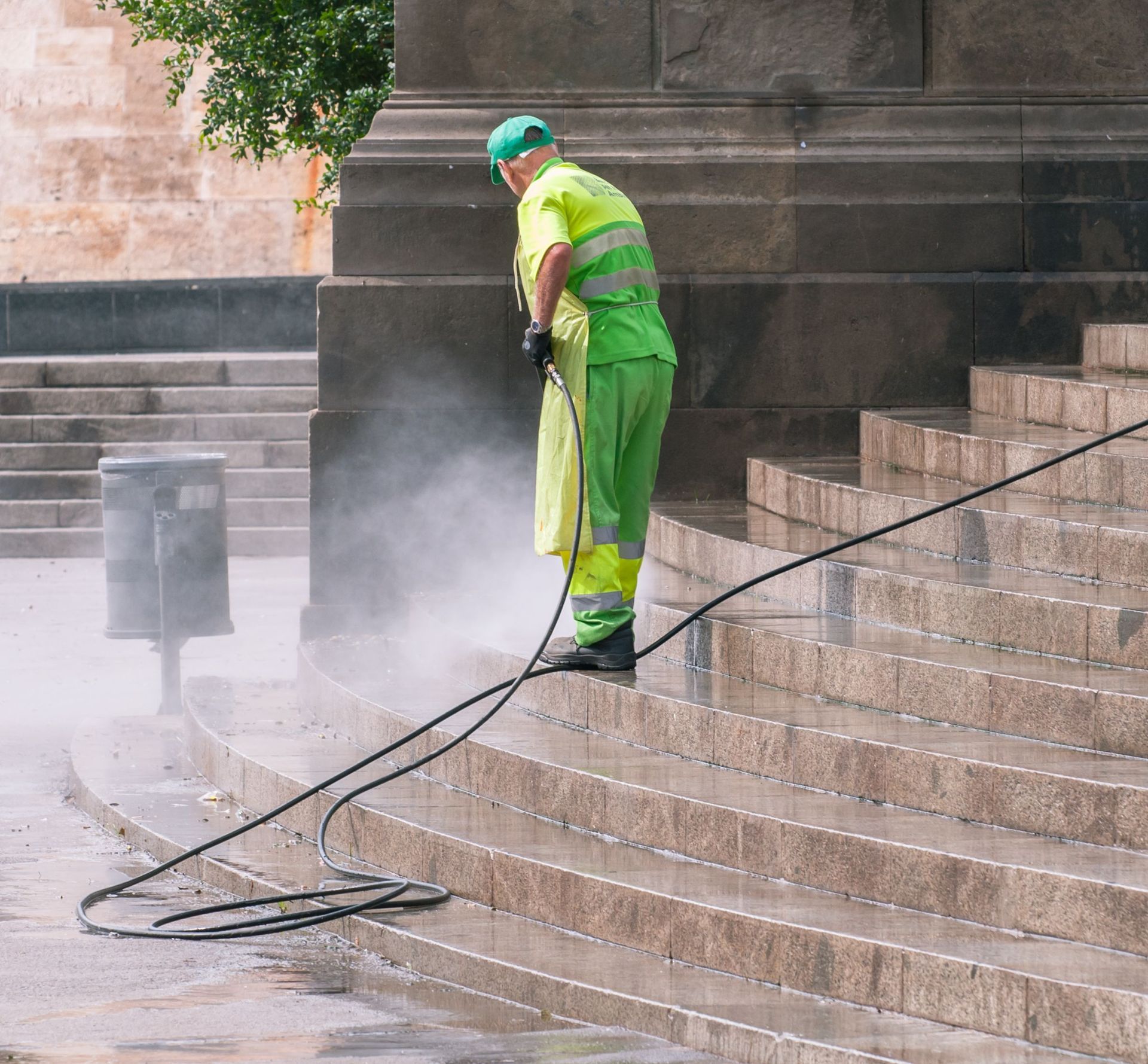
Professionals are employing advanced methods beyond anti-graffiti coatings to combat vandalism. High-pressure washing and sandblasting effectively remove graffiti, while advanced coatings resist damage and aid in easier cleanup, reducing environmental impact. Color-matching technology ensures seamless restoration, swiftly restoring the property's appearance without visual reminders of vandalism.

The Future of Graffiti Prevention Trends and Predictions

We're beginning to see the emergence of innovative community strategies that promise to work alongside commercial painting in an effort to keep commercial properties clean and welcoming. Among the most exciting developments is the integration of drone technology. This technology offers a swift and efficient means of identifying graffiti on elevated or otherwise inaccessible surfaces. Digital mapping software represents another frontier in graffiti management, enabling contractors to pinpoint vandalism hotspots accurately. This data-driven approach facilitates targeted interventions, allowing for more effective allocation of resources and preventive measures in areas most susceptible to graffiti. In addition, there is a noticeable shift towards environmentally sustainable practices in graffiti removal processes, reflecting a broader societal push for eco-conscious solutions. As we move forward, these trends signify a holistic and technologically sophisticated approach to graffiti prevention. They offer a promising future where commercial properties can maintain their integrity and appeal with greater ease.

Choosing the Right Commercial Painting Company for Graffiti Prevention

When tasked with selecting a commercial painting company to tackle your graffiti needs, there are some key things to consider. Experience in managing graffiti challenges is paramount; seek out a firm with a solid portfolio and legitimate references. Make sure to ask about the range of protective solutions and services the company offers. Engaging in discussions with potential contractors about their approach to graffiti prevention plans can offer insights into how tailored their services are. Act now and consider partnering with Painting Professionals, Inc. Our expert team stands ready to tackle your commercial graffiti prevention needs with quality assurance and care at the forefront.
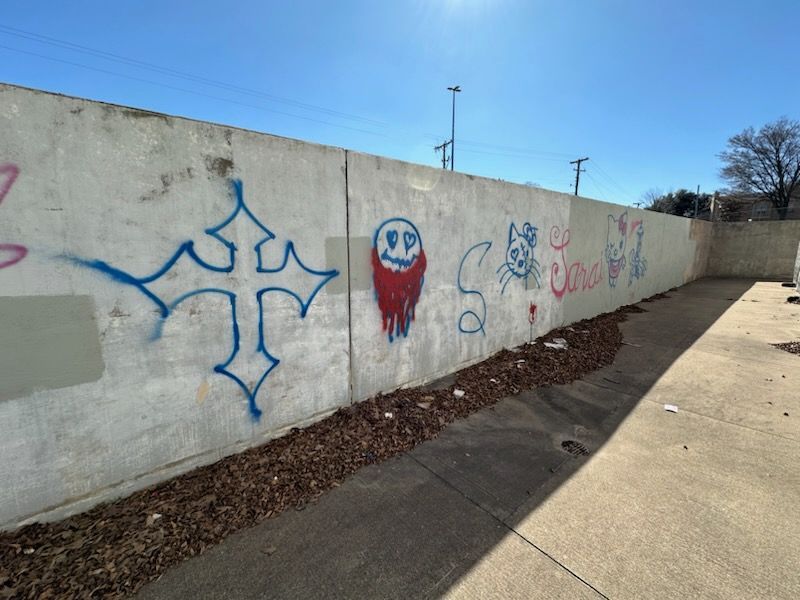
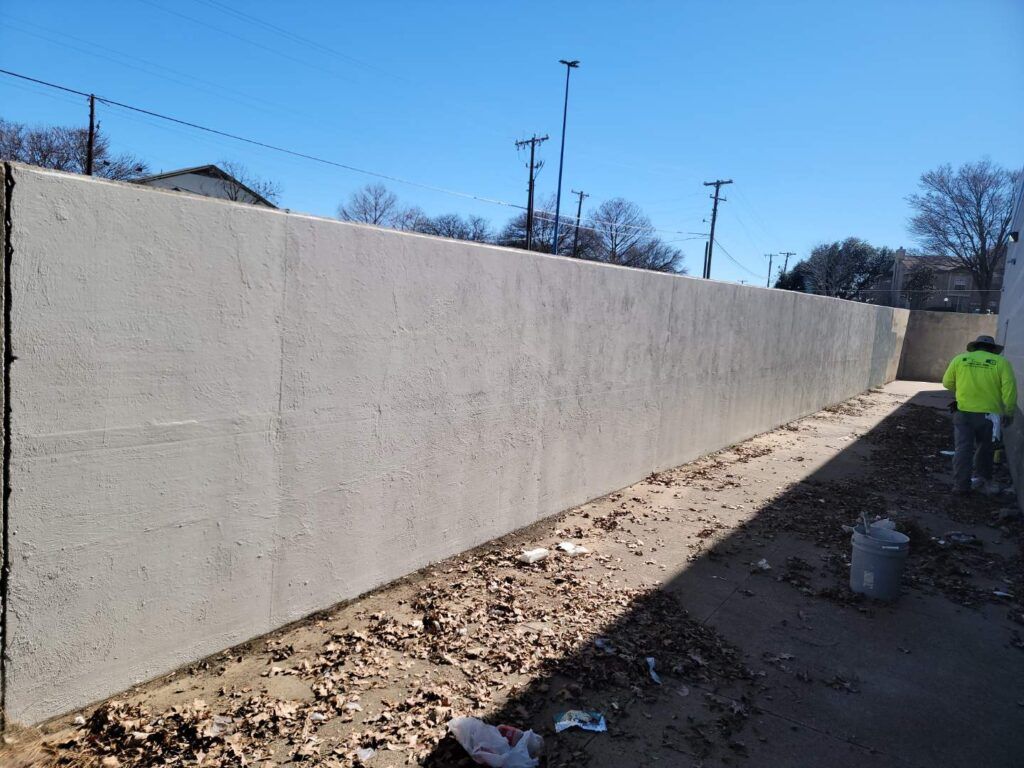
Concrete wall with graffiti art: cross, face, cat, text. Dry leaves and blue sky.
Concrete wall alongside a narrow path with a person in a safety vest.

November 13, 2026
More on commercial pressure washing services in Houston for warehouses and industrial facilities, including exterior cleaning, concrete surfaces, and maintenance.
By Amber Hollier • October 30, 2026
Commercial and industrial painting share certain application principles, but industrial coating projects involve additional technical requirements related to substrate conditions, environmental exposure, and operational demands. Handling industrial coating projects in-house may seem like a practical way to reduce maintenance costs. However, protective coatings must meet specific performance criteria that require specialized knowledge of surface preparation, application techniques, and inspection procedures. Without that expertise, the risk of premature coating failure and additional expenses can outweigh the attempted savings. Surface Preparation and Coating Adhesion Industrial coating systems depend heavily on substrate preparation. Steel, concrete, and previously coated surfaces require different preparation methods to achieve proper adhesion. Abrasive blasting, mechanical cleaning, and contaminant removal are frequently specified according to AMPP standards. Surface profile, soluble salt contamination, and existing coating conditions must also be evaluated before application. Inadequate preparation can contribute to adhesion failure, blistering, corrosion, and premature coating deterioration. Environmental Conditions and Application Requirements Temperature, humidity, and dew point influence coating application and curing. For facilities requiring industrial painting in Houston, the region's high humidity presents additional considerations, particularly when condensation develops on steel surfaces. Industrial coating specifications establish acceptable environmental conditions, mixing requirements, application thicknesses, and curing intervals. Applicators must monitor these variables throughout the project rather than relying solely on visual assessments. Wet-film and dry-film thickness measurements also help verify that protective coatings meet specified requirements. Specialized Training and Workforce Qualifications Industrial coating application requires familiarity with technical specifications, specialized equipment, safety procedures, and quality-control practices. According to the Associated General Contractors of America's 2026 Workforce Survey, 50% of responding construction firms reported that available candidates lacked the necessary skills, certifications, or licenses for industry positions. Although this statistic represents the broader construction industry, it highlights the importance of workforce qualifications in technically demanding trades. Industrial painting crews may also encounter confined spaces, elevated structures, hazardous materials, and active manufacturing environments requiring additional training and coordination. The Financial Impact of Proper Coating Application Protective coatings contribute to corrosion management by limiting exposure to moisture, chemicals, and other environmental conditions that accelerate substrate deterioration. NACE International's IMPACT study estimated that 15% to 35% of global corrosion costs could be avoided through available corrosion-control practices. Coating selection, surface preparation, and application quality are important considerations within a comprehensive corrosion management program. Deficiencies in these areas can lead to premature maintenance requirements, additional repairs, and operational disruptions. Choosing an Experienced Industrial Painting Contractor Facility managers considering commercial painting in Houston should distinguish between routine repainting and projects requiring specialized protective coating systems. Substrate conditions, chemical exposure, operating temperatures, and inspection requirements can significantly influence contractor qualifications. Painting Professionals provides commercial and industrial painting services throughout Houston, Dallas, and surrounding Texas markets. Our team works with facility owners and managers to address coating requirements, surface preparation, and application needs across commercial and industrial environments. Contact Painting Professionals to discuss your facility's upcoming painting or protective coating project.