How Water Intrusion Shows Up in Commercial Paint
Water intrusion is one of the most common, and pricey, causes of paint degradation on commercial and industrial buildings. While peeling or bubbling paint may seem like a cosmetic issue, it's often an early sign that moisture is penetrating your building envelope. Addressing these signs when they initially arise can help property owners troubleshoot upcoming repairs, protect structural materials, and extend the life of their commercial repainting investment.
Common Signs of Water Intrusion
Commercial paint is designed to protect exterior surfaces from the elements, but when water finds a way behind the coating, it can quickly compromise the integrity of the paint job. Some of the most common indicators include:
- Blistering or bubbling paint
- Peeling or flaking coatings
- Discoloration or staining
- Efflorescence (white, powdery deposits on masonry)
- Mold or mildew growth
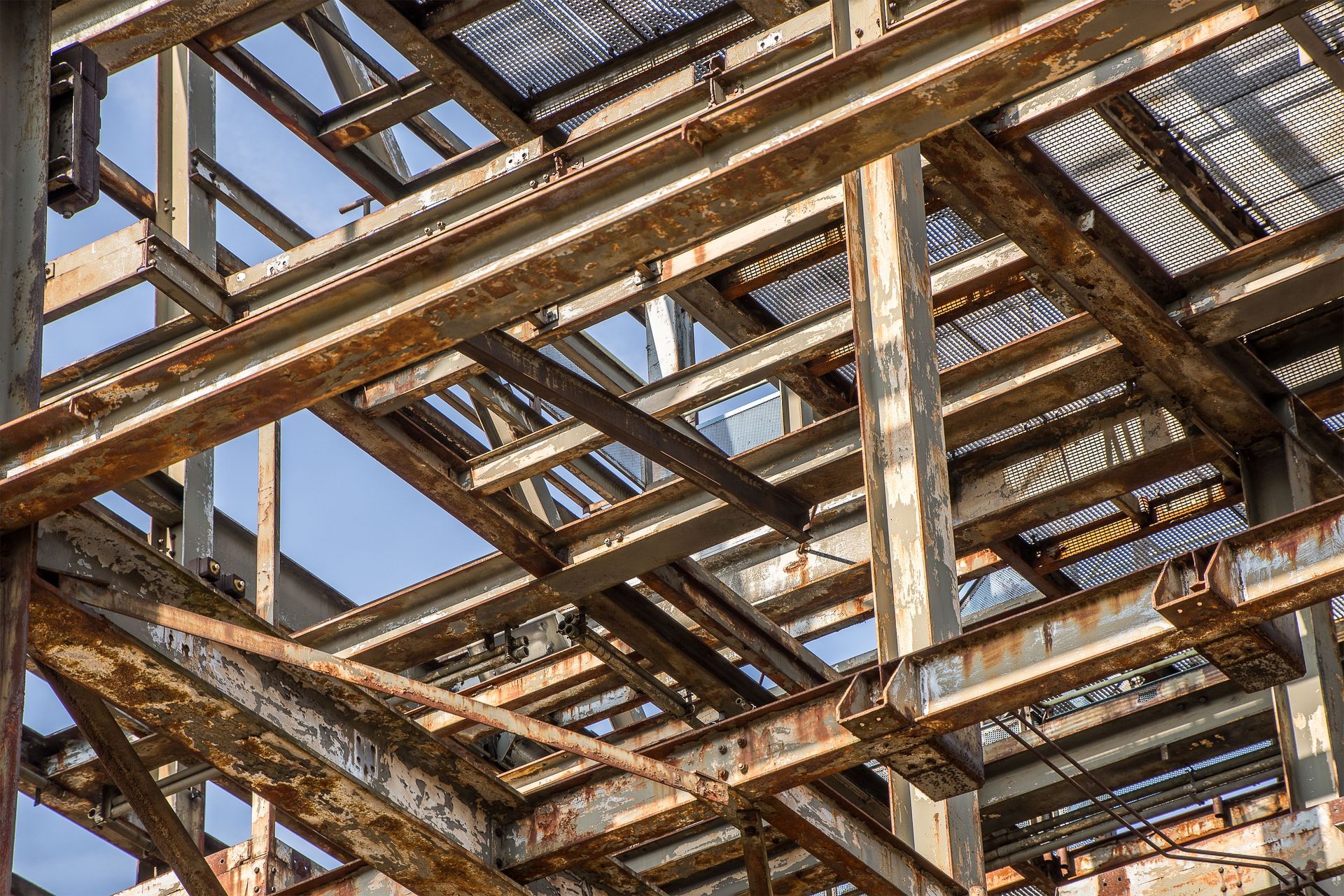
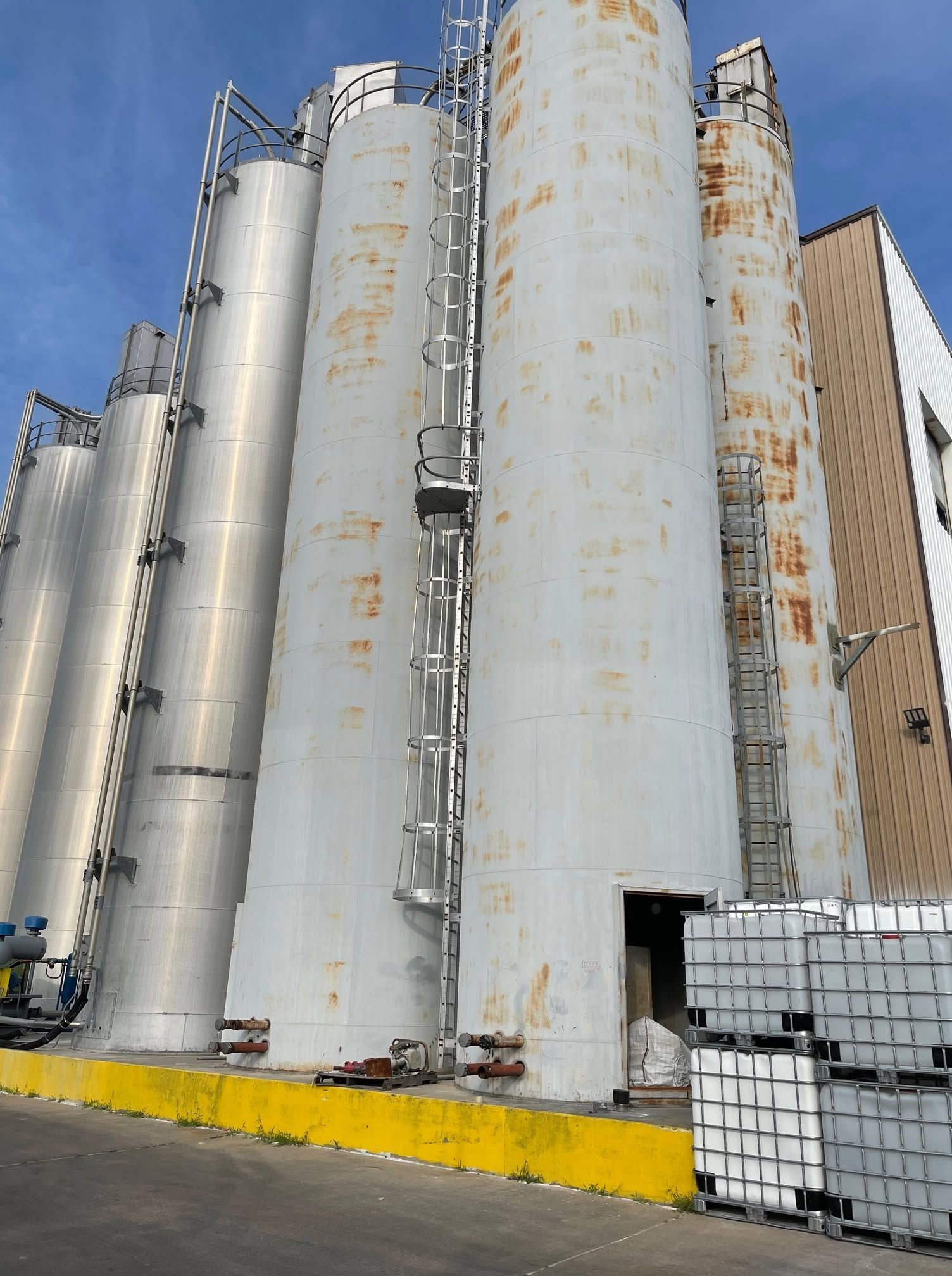
- Rust stains on metal surfaces
These indicators often appear around windows, rooflines, expansion joints, doors, cracks in masonry, and improperly sealed penetrations where moisture can enter the building.
Why Water Causes Paint Degradation
Paint relies on a clean, dry, and properly prepared surface to create a protective barrier. When moisture becomes trapped beneath the coating, it weakens adhesion and causes the paint to separate from the substrate. As the problem worsens, repeated wet and dry cycles accelerate deterioration, leading to larger compromised areas.
For commercial and industrial facilities, in addition to paint damage, water intrusion can also contribute to wood rot, corrosion of steel components, and concrete deterioration, all of which directly impact business operations.
Why Commercial Repainting Alone Isn't Enough
A very common misconception regarding commercial and industrial repainting is that applying a fresh coat will solve moisture-related problems. In reality, repainting over active water intrusion simply hides the issue temporarily. Without identifying and repairing the source of the moisture, the new coating will likely fail early.
Professional commercial painting contractors should always inspect for potential causes such as failed caulking, damaged sealants, roof leaks, deteriorated flashing, clogged drainage systems, or cracks in the building exterior before beginning any commercial repainting project.
Protecting Your Investment
If you notice blistering, peeling, staining, or other signs of moisture damage, don't ignore them. An experienced commercial and industrial repainting contractor can evaluate your building, identify the underlying cause, and recommend the appropriate repairs before applying a new coating.
Our team conducts thorough surface evaluations to identify moisture concerns, coating quality, and other underlying conditions that could impact the longevity of your investment. Contact us to schedule an assessment and so we can share how our commercial and industrial repainting services will help protect your facility.