Corrosion Prevention Through Commercial and Industrial Painting
Why Corrosion Often Starts Before You Can See It
Corrosion is an ongoing concern for facilities with structural steel, piping, equipment, and other metal surfaces. Protective coatings help limit exposure to moisture and other environmental conditions, but areas of weakness or damage within the coating system can leave the underlying metal vulnerable.
How Corrosion Develops Beneath a Coating
Protective coatings help isolate metal from moisture, oxygen, chemicals, and other conditions that contribute to corrosion. Maintaining that protection depends on the condition of the entire coating system, including areas that are more difficult to coat or more frequently exposed to wear.
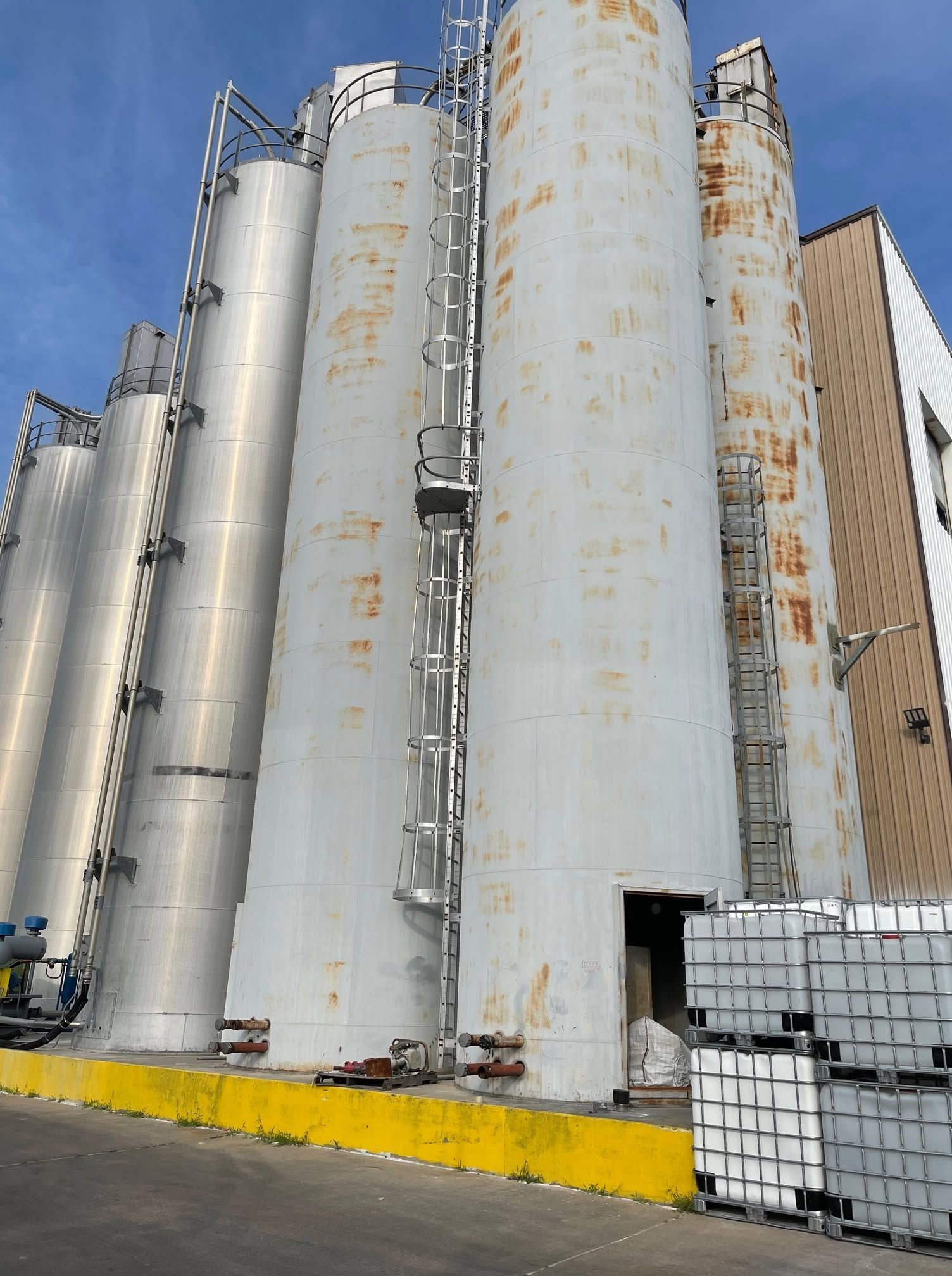
Edges, welds, bolts, seams, and joints are common areas to inspect closely, along with surfaces exposed to standing water, chemicals, abrasion, or frequent cleaning. Small cracks, pinholes, worn coating, or poor adhesion can expose the underlying metal and allow corrosion to develop.
Inspections should consider more than visible rust. Blistering, cracking, peeling, discoloration, and changes in adhesion can all provide information about how a coating system is performing. Identifying these conditions helps maintenance teams determine where surface preparation, repairs, or recoating may be needed to continue protecting the substrate.
Some Areas Are More Vulnerable Than Others
Structural steel, piping, tanks, and machinery are exposed to different conditions depending on their location and use. Outdoor weather, humidity, chemicals, abrasion, frequent washdowns, and temperature changes can all affect how well a protective coating performs.
For commercial and industrial painting in Houston, heat, high humidity, heavy rainfall, and moisture exposure are important considerations when maintaining exterior steel and other metal surfaces.
Routine inspections help facility teams evaluate coating condition across these different environments and identify areas that are experiencing greater wear or exposure. This information can be used to plan maintenance, surface preparation, and recoating based on the needs of each area.
Protective Coatings Are Part of Corrosion Prevention
Interest in earlier corrosion detection continues to grow across industrial maintenance. New technologies are being developed to inspect difficult-to-access areas and identify signs of corrosion sooner. Technology may change how facilities monitor corrosion, but the goal remains the same: protect the substrate and address deterioration before it progresses.
Visible rust is only one indication of how a protective coating is performing. Regular inspections allow facility teams to evaluate coating condition, identify areas of concern, and plan maintenance before corrosion causes more extensive damage. For structural steel, piping, equipment, and other metal surfaces, maintaining the coating system helps limit exposure to the conditions that cause corrosion.